
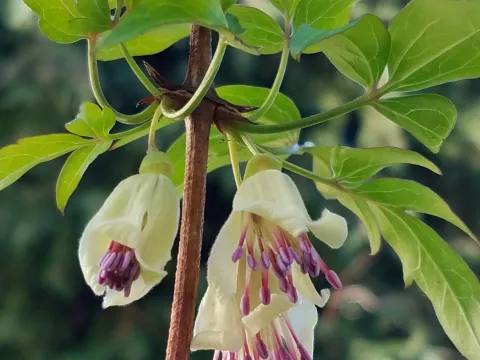
Nepalese clematis
Clematis napaulensis
Nepalese clematis (Clematis napaulensis) is a unique woody climber belonging to the Ranunculaceae family. It is native to the Himalayan region, specifically growing in the forests of Nepal, Northern India, and China.
What the section contains
Nepalese clematis
This species is botanically distinct due to its unusual life cycle. It undergoes a dormancy period in mid-summer by dropping its foliage, only to sprout new growth and bloom during the cooler months of the year.
When cultivating this plant, it is essential to mimic its natural montane forest environment. It thrives in partially shaded spots where it is protected from intense afternoon heat, allowing for steady and healthy development.
The soil must be fertile, well-draining, and rich in humus. Waterlogging is a significant risk, so ensuring excellent drainage or using a slightly elevated planting site is crucial for long-term survival.
In ornamental horticulture, it is highly valued for its clusters of bell-shaped, yellow-green flowers with conspicuous purple stamens. It serves as an excellent specimen for vertical trellis systems and conservatory displays.
Wilt, caused by soil-borne fungal pathogens, is the most serious threat to the plant's health. It often manifests as sudden collapse of individual stems, necessitating prompt pruning and the use of systemic fungicides.
Powdery mildew can affect the foliage if the air circulation is inadequate. Maintaining proper spacing between plants and keeping the canopy airy helps significantly reduce the incidence of this fungal disease.
Aphids and spider mites are common pests that feed on the soft, young tissue of the vine. If left untreated, they can weaken the plant and cause distorted growth, especially during the active budding phase.
Root-knot nematodes can cause significant damage to the root system, leading to poor growth and general decline. Using sterilized potting mix and avoiding infested soil are the primary methods of prevention.
Slugs and snails often graze on the emerging shoots, particularly in early spring. Protecting the base of the vine with abrasive mulch or specialized barriers can keep these mollusks away from the vulnerable stems.