
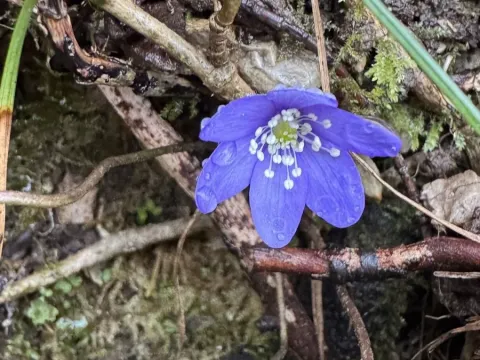
Liverleaf
Hepatica nobilis
The propagation of Hepatica nobilis is most effectively achieved through the division of mature clumps. The ideal time for this procedure is late summer or early autumn when the plant enters a period of dormancy before the onset of winter.
What the section contains
Liverleaf
Seed sowing should be performed immediately after collection, as the seeds lose viability very quickly. It is essential to use fresh seed material to ensure successful germination in the following season.
Seeds should be distributed over a moist, loose, humus-rich substrate and covered with a very thin layer of leaf mold. Maintaining consistent soil moisture is crucial for the germination process, which can be slow and sporadic.
Seedlings develop quite slowly and typically do not bloom until their third or fourth year of growth. During the initial years, the beds must be kept weed-free and protected from extreme drying of the topsoil.
Since this plant is sensitive to disturbance, choosing a permanent location is vital. Hepatica prefers areas that do not require frequent transplanting, allowing the root system to establish deep stability over time.
Hepatica nobilis belongs to the Ranunculaceae family and is native to the woodland areas of Eurasia. It thrives in well-drained, loose soils that are rich in organic matter and have a neutral or slightly alkaline pH.
As a true forest ephemeral, the plant requires semi-shaded conditions. Direct sunlight, especially during the summer, can be harmful, so positioning the plants under deciduous trees or in shaded borders is highly recommended.
Maintaining a moist but well-drained environment is key. While the plant loves humidity, it cannot tolerate waterlogged soils, which lead to root rot. Mulching with decomposed leaves is an excellent practice.
The plant is exceptionally hardy and does not require winter protection, as it is adapted to cold climates. It remains evergreen in many regions, keeping its leathery leaves throughout the winter months.
Creating a microclimate similar to a forest floor—cool, shaded, and rich in leaf litter—is the best way to ensure the plant remains vigorous and blooms reliably every spring.
Fungal diseases are the primary threat to Hepatica nobilis, particularly gray mold, which thrives in stagnant, overly humid conditions. Providing adequate air circulation between plants is a key preventive measure.
Slugs and snails are the most common pests, as they feed on the young, tender foliage and flower buds during damp periods. Regular monitoring and physical barriers can help manage these populations effectively.
To prevent disease outbreaks, gardeners should clear away decaying plant debris from the immediate vicinity of the crowns. This reduces the pressure from pathogens that overwinter in leaf litter.
While chemical fungicides can be used for severe infestations, preference should be given to organic methods to protect the delicate balance of the garden ecosystem and the early-season pollinators.
Overall plant health is best maintained through consistent attention to soil drainage and site hygiene. Removing damaged or infected leaves promptly helps keep the rest of the plant healthy and productive.