
Leptopyrum
Leptopyrum
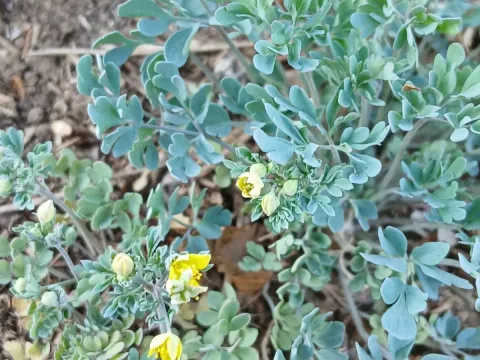
Leptopyrum, notably the species Leptopyrum fumarioides, is a fascinating member of the Ranunculaceae family that is increasingly becoming a subject of agricultural interest.
What the section contains
Leptopyrum
The sowing process begins in early spring when soil temperatures reach stable levels, allowing for effective germination and rapid establishment of the root system.
Proper seedbed preparation is essential to ensure a shallow planting depth, as the seeds are small and require light to break dormancy effectively.
Maintaining consistent soil moisture during the first weeks post-sowing is crucial for obtaining a high and uniform plant density in the field.
Row spacing should be adjusted to allow for adequate airflow and weed control, which are vital for the healthy development of this delicate crop.
Leptopyrum thrives in temperate climates and prefers well-drained, fertile soils with a neutral or slightly acidic pH balance for optimal nutrient uptake.
The crop is highly sensitive to waterlogging, requiring fields with good drainage systems to prevent the development of root-related pathogens.
Adequate sunlight exposure is necessary for the plant to reach its full productive potential, as shade can significantly reduce biomass and seed yield.
During the vegetative stage, moderate precipitation is preferred; however, the crop can withstand short periods of dryness if the soil structure remains healthy.
Regular fertilization with balanced NPK levels, based on initial soil testing, will ensure vigorous growth and higher productivity throughout the season.
The agricultural yield of Leptopyrum is influenced by environmental conditions, the timing of sowing, and the effectiveness of weed management practices.
Research suggests that intensive management strategies can significantly increase seed output and improve the overall biomass quality of the crop.
Monitoring the flowering phase is essential for predicting potential yields, as the duration and health of this period directly impact seed filling.
Harvesting at the correct stage of maturity is the primary factor in maximizing total net yield and ensuring the quality of the harvested produce.
Standard yield projections require further multi-year field trials, as the crop's behavior can vary depending on local microclimates and soil characteristics.
Fungal infections, such as powdery mildew or various leaf spot diseases, represent the primary biological threats to Leptopyrum production.
Insect pests, including aphids and leaf-chewing larvae, may cause localized damage that can escalate if not addressed through timely integrated pest management.
Crop rotation is the most effective preventative measure to minimize the accumulation of soil-borne diseases that could jeopardize future harvests.
Maintaining optimal spacing between plants reduces humidity around the foliage, which is a major factor in suppressing the spread of fungal pathogens.
Strict monitoring of the crop health status ensures that intervention can occur at the first signs of stress or infestation, preserving potential output.
Harvesting Leptopyrum requires careful timing, as the seeds are prone to shattering if left on the stalk beyond the stage of full physiological maturity.
Direct combining is possible, provided the equipment is calibrated for small, sensitive seeds to prevent mechanical damage during the threshing process.
For small-scale plots, manual cutting and drying in bundles before threshing can often lead to higher quality and less loss of valuable seed material.
Post-harvest cleaning is mandatory to remove chaff and impurities, ensuring the seed is dry and clean for long-term storage or processing.
Proper drying conditions, involving good ventilation and avoidance of high temperatures, are essential to maintain the seed's viability and storage life.