
Marsh buttercup
Ranunculus paludosus
Description
Sowing dates
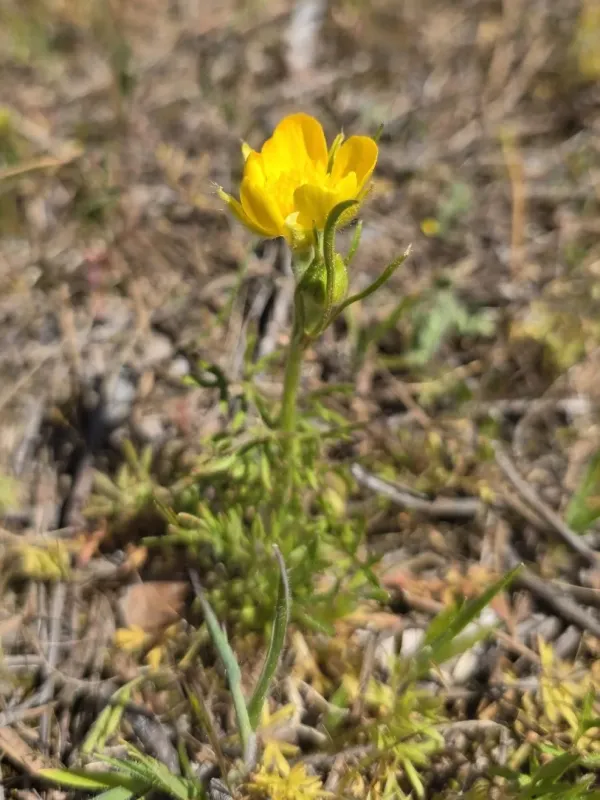
Marsh buttercup (Ranunculus paludosus) is a perennial herbaceous plant belonging to the Ranunculaceae family. Its propagation involves both seed germination and vegetative development through root tubers.
For optimal results, seeds should be sown in the autumn. This timing allows for cold stratification, which significantly increases the germination rate in the following spring.
When sowing in trays, use a well-draining, nutrient-rich compost. Ensure the seeds are barely covered by soil, as light plays an important role in the initial growth stages.
Regular misting keeps the surface moist without washing away the small seeds. Consistent moisture levels are the key to successful establishment of young seedlings.
Transplanting should be handled carefully to avoid damaging the delicate root systems of the young plants during their transition to the permanent growing site.
Growing requirements
The plant thrives in moist, humus-rich soils. Its natural habitat includes damp meadows and stream banks, which dictates its preference for consistently high humidity.
While the marsh buttercup prefers sunny locations, it can tolerate partial shade. Full sun is generally preferred to encourage robust growth and prolific flowering cycles.
Soil pH levels should be maintained in the slightly acidic to neutral range. Incorporating organic matter like peat or leaf mold can improve soil structure and water retention.
The marsh buttercup requires consistent watering, especially during the peak of the growing season, to mimic its natural environment and prevent dehydration.
Good drainage is essential, despite the name suggesting a swampy habitat. Standing water that persists for too long can cause root rot and kill the plant entirely.
Main diseases and pests
Fungal diseases such as powdery mildew are common in areas with stagnant air and high humidity. Proper spacing helps reduce the risk of these infections spreading.
Root rot, often caused by waterlogging in heavy, clay-based soils, represents a major threat to the overall survival and health of the marsh buttercup population.
Aphids can be a significant pest, clustering on the stems and floral buds. They weaken the plant by extracting essential nutrients and promoting viral spread.
Nematodes are another potential concern in the rhizosphere, which can cause stunted growth. Preventive measures include crop rotation and soil solarization where necessary.
Regular monitoring of the leaves and stems for early signs of disease is essential for successful cultivation, allowing for quick intervention if a pest outbreak occurs.