
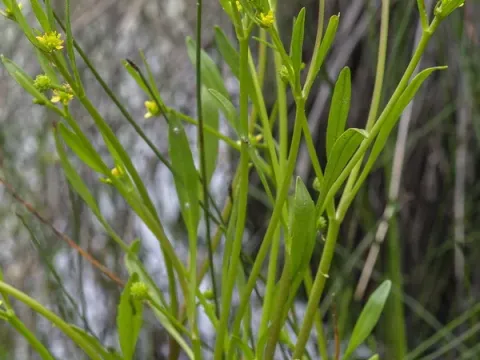
Long-stalked buttercup
Ranunculus longipes
The long-stalked buttercup (Ranunculus longipes) is a perennial herbaceous plant belonging to the Ranunculaceae family. This species is distinguished by its specific morphological traits and its ability to thrive in moisture-rich environments, making it a distinct subject of botanical interest.
What the section contains
Long-stalked buttercup
The plant originates from temperate regions where it primarily inhabits wetlands, floodplains, and areas adjacent to water bodies. Its geographical distribution reflects its adaptation to cool, stable, and consistently moist climate conditions throughout the growing season.
To achieve optimal growth, this culture requires fertile soils with high organic matter content and excellent water retention properties. Maintaining a stable soil pH within the neutral to slightly acidic range is essential for the efficient uptake of essential nutrients by the root system.
The species prefers sites with moderate sunlight exposure but benefits from partial shade during periods of intense heat to prevent transpiration stress. The root system is robust and well-suited to extract nutrients from moist soil environments characteristic of its natural habitat.
Agronomic management involves regular moisture monitoring and the application of balanced fertilizers to support vigorous vegetative growth. Proper spacing and soil aeration are crucial to maintain plant health and to prevent issues associated with poor drainage in cultivation settings.
Like many members of the buttercup family, this plant is susceptible to fungal infections such as powdery mildew and root rot, particularly in conditions of high humidity and poor air circulation. Regular inspection of foliage is necessary to detect early symptoms of these pathogens.
Insect pests, including aphids and leaf-miners, may pose a risk to the development of the plant, especially during the early stages of growth. Integrated pest management strategies are recommended to maintain plant health while minimizing the use of synthetic chemicals in the field.