
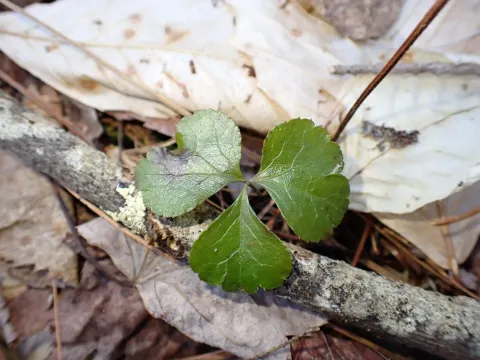
Three-leaf goldthread
Coptis trifolia
Three-leaf goldthread (Coptis trifolia) is a herbaceous perennial belonging to the Ranunculaceae family. It is native to the northern regions of the globe, where it thrives in cool, moist, and acidic forest soils, often forming dense carpets in shaded woodland environments.
What the section contains
Three-leaf goldthread
Cultivation of this species requires strict adherence to environmental parameters. It needs deep or partial shade, as it is biologically adapted to the low-light conditions found under canopy layers. Exposure to direct sunlight is typically detrimental to its health and development.
The soil profile is critical for the success of this crop. The medium should be high in organic matter, specifically peat or decomposed forest duff, with a low pH. It requires consistent soil moisture but demands excellent drainage to prevent crown and root rot, which are common in saturated, heavy substrates.
Agricultural techniques focus on mimicking the natural woodland floor. Mulching with coniferous needles or pine bark is highly recommended to regulate soil temperature, suppress weeds, and maintain the necessary acidic environment for the plant's symbiotic root systems.
Economically, Coptis trifolia is recognized for its medicinal potential, particularly the high concentration of berberine in its rhizomes. In modern agriculture, it is treated as a niche specialty crop with high value for the pharmaceutical and nutraceutical industries.
The primary threats to Coptis trifolia are soil-borne pathogens, specifically fungal diseases like Pythium or Phytophthora. These often appear when environmental conditions shift toward high humidity combined with poor airflow, compromising the plant's delicate root structure.
Slugs and snails represent the main biological pest threat to the foliage. These pests can rapidly defoliate younger plantings if the site is not managed carefully, especially in climates with frequent rainfall during the active growing season.
Weed competition is a major challenge due to the slow growth rate of the goldthread. Because the plant is shallow-rooted, manual weeding is necessary; mechanical equipment or chemical herbicides should be avoided as they damage roots and contaminate the medicinal-grade tissue.
Inadequate soil acidity often leads to stunted growth and increased susceptibility to opportunistic infections. Monitoring pH levels annually is a standard procedure in commercial goldthread production to ensure the crop remains healthy and productive.
Finally, avoid monocultures with excessive density. Proper spacing helps maintain air circulation, which is a key preventive strategy against the outbreak of leaf spot diseases that can occasionally impact the plant under sub-optimal conditions.