
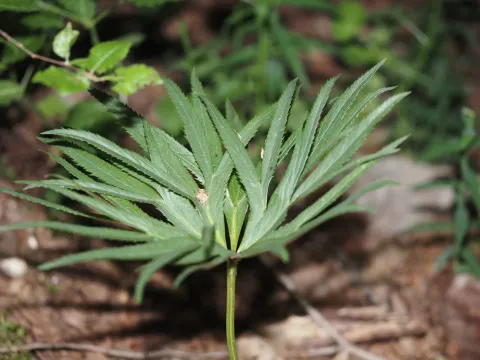
Helleborus multifidus
Helleborus multifidus
Seeds of Helleborus multifidus require a period of stratification to germinate successfully. It is best to sow them outdoors in late autumn, allowing the natural cycle of cold temperatures to break the seed dormancy.
What the section contains
Helleborus multifidus
When sowing in containers, one should aim for a deep, well-draining substrate. The seeds should be covered with a light layer of soil, approximately one centimeter deep, to ensure stable moisture levels during the germination process.
Seedlings develop slowly, often taking several years to reach the flowering stage. It is crucial to keep the soil consistently moist but never waterlogged during the first season of growth to protect the young root system.
Transplanting seedlings to their final garden location is best done during the cool months of spring or early autumn. Space the plants adequately, providing enough room for the foliage to expand as the plant matures over time.
For quicker results, gardeners often use division to propagate established clumps. This task is best performed after the flowering cycle is complete, taking care to keep a healthy amount of roots attached to each division.
Helleborus multifidus thrives in partial shade or woodland garden conditions. It is highly suited for planting under deciduous trees where it can receive filtered light and protection from harsh direct summer sun.
The soil should be rich in organic matter and have a neutral to alkaline pH level. Good drainage is the most critical factor, as these plants are highly susceptible to root issues in stagnant or heavy waterlogged soil.
This species is quite hardy and well-adapted to temperate climates. It tolerates winter cold effectively, although applying a layer of organic mulch around the base can help maintain soil temperature and moisture.
Watering should be managed based on local conditions, ensuring the plant receives adequate moisture during the growing season. Once established, it shows a degree of drought tolerance, though it prefers consistent moisture.
Adding a balanced fertilizer once in early spring stimulates healthy growth and flowering. Composted leaf mold or well-rotted manure serves as excellent soil amendments that mimic the natural habitat of the plant.
Leaf spot disease is a common fungal challenge that manifests as dark, unsightly patches on the foliage. Proper ventilation and timely removal of infected leaves can prevent the spread of the fungus.
Root rot can be fatal and is typically caused by poor soil drainage. If the plant shows signs of wilting despite moist soil, it is essential to check the roots and improve the planting site immediately.
Slugs and snails are major pests that feed on the foliage and new shoots of the plant. Using physical barriers, such as copper tape or crushed eggshells, can effectively deter these pests from sensitive areas.
Aphids can occasionally cluster on the flower stalks, causing distortion and weakening the plant. Washing them off with a gentle spray of water or applying horticultural soap is usually sufficient for control.
Virus-related infections, though less common, can cause stunted growth and mottling of leaves. Infected plants should be removed and disposed of carefully to ensure they do not become a source of infection for others.