
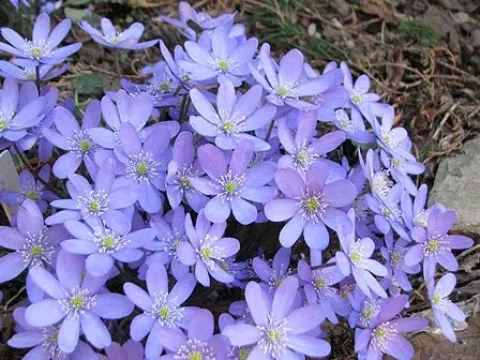
Hepatica hybrids
Hepatica hybrids
Propagation of Hepatica hybrids is primarily achieved through division, as seeds do not always replicate the specific characteristics of the parent hybrid.
What the section contains
Hepatica hybrids
The most suitable time for dividing established clumps is immediately after the flowering season or in late summer when the plants are dormant.
Care must be taken when lifting the clumps to ensure that each segment contains healthy buds and a robust portion of the root system.
Planting depth is critical; the crown of the plant should remain level with the soil surface to prevent rot and encourage proper crown development.
Following division, the plants should be watered thoroughly and kept in a shaded, protected area until new growth clearly indicates successful establishment.
Hepatica hybrids belong to the Ranunculaceae family and are highly valued for their early spring blooms and diverse floral characteristics.
These plants thrive in woodland-like conditions, requiring dappled shade and protection from the intense heat of the direct afternoon sun.
The soil should be well-drained, rich in organic matter, and slightly acidic to neutral in pH to support healthy nutrient uptake.
Maintaining consistent soil moisture is essential for these perennials, though drainage is paramount to prevent waterlogging during dormant months.
They are generally hardy and benefit from a layer of natural leaf mulch, which helps retain moisture and provides necessary nutrients over time.
Fungal infections, particularly botrytis, pose a significant threat to Hepatica hybrids, especially when air circulation around the foliage is limited.
Leaf spots caused by various pathogens can disfigure the plant, reducing its vigor and aesthetic appeal throughout the growing season.
Slugs and snails are the most common pests, often feeding on the succulent young leaves during damp spring weather after the plants have bloomed.
Cultural control measures, such as removing debris and preventing overcrowding, are effective strategies for managing these common garden threats.
Regular monitoring and the use of targeted fungicides, if necessary, help maintain a healthy collection of these delicate spring-blooming perennials.