
Helleborus hybrids
Helleborus hybrids
Description
Growing requirements
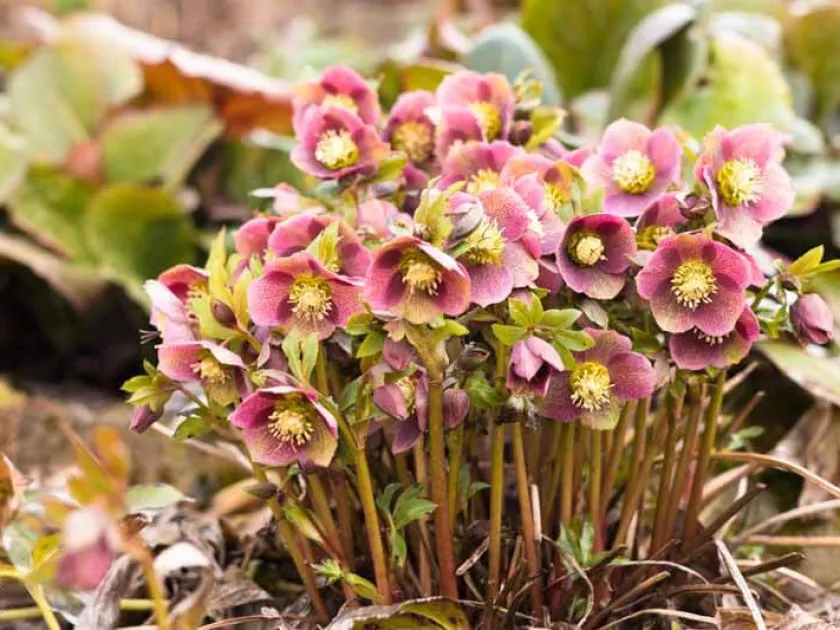
Helleborus hybrids are sophisticated ornamental plants belonging to the Ranunculaceae family, resulting from extensive hybridization of wild species. Known for their resilience, these plants are highly prized for blooming during late winter and early spring when most other garden plants are still dormant.
To ensure robust growth, these plants require well-drained, nutrient-rich, and humus-heavy soils. A neutral to slightly alkaline pH level is ideal for nutrient absorption, while heavy clay or sandy soils should be amended with organic matter to improve structure and moisture retention.
These perennials thrive in partial to full shade, making them perfect for woodland settings. Exposure to intense, direct afternoon sun can lead to leaf scorching, so planting under deciduous trees provides the perfect balance of dappled light and seasonal protection throughout the year.
Effective management includes regular mulching with compost or leaf mold, which mimics their natural forest habitat and maintains consistent soil moisture. Proper spacing during planting is also essential to ensure adequate air circulation, which significantly reduces the risk of foliar diseases.
In landscaping, Helleborus hybrids serve as versatile components in shade gardens, borders, and rockeries. Their evergreen foliage maintains aesthetic appeal throughout all seasons, making them a low-maintenance choice for professional landscape design and sustainable gardening projects.
Main diseases and pests
The primary concern for hellebores is leaf spot (Coniothyrium hellebori), which appears as dark blotches on the foliage. Management involves strict sanitation, such as removing and destroying affected leaves immediately upon discovery to prevent further spread of fungal spores.
Aphids can infest developing flower buds, causing distortion and weakening the plant. Integrated pest management, including the use of insecticidal soaps or neem oil, is highly effective when applied early in the spring as soon as the first signs of infestation appear.
Root rot, driven by stagnant water, poses a fatal threat to these plants. Ensuring perfect drainage by planting on slight slopes or incorporating coarse grit into the soil mix is the best preventive measure to maintain the health of the rhizomes and root system.
Slugs and snails often graze on tender new shoots and petals, especially in wet weather. Implementing protective barriers like crushed eggshells or using organic baits is common practice in commercial nurseries to ensure high-quality flower production and foliage integrity.
It is important to note that all parts of the Helleborus plant contain protoanemonin and are toxic if ingested. Workers should always wear gloves when handling, pruning, or dividing these plants to prevent skin irritation or dermatitis caused by the plant's sap.