
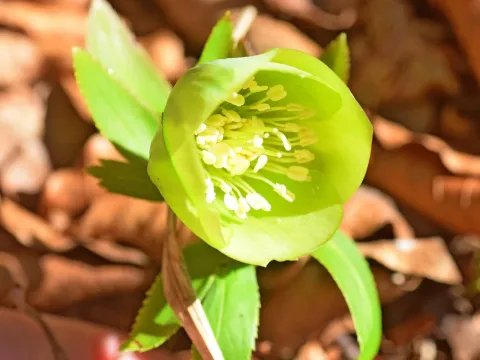
Helleborus cyclophyllus
Helleborus cyclophyllus
Helleborus cyclophyllus, a member of the Ranunculaceae family, is a perennial plant primarily propagated by seeds. For successful germination, seeds should be sown as soon as they reach maturity in late summer or early autumn.
What the section contains
Helleborus cyclophyllus
The seeds require a period of cold stratification to break dormancy. Sowing them directly into the ground or in pots kept outdoors ensures they experience the necessary winter chilling, leading to more uniform germination in the following spring.
When sowing in containers, use a well-drained, sterile seed-starting mix. Cover the seeds lightly with a thin layer of soil, as they need a consistent moisture level but must not be waterlogged to prevent fungal damping-off.
Seedlings are slow-growing and may take several years to reach maturity and produce their first flowers. It is advisable to keep them in nursery pots for the first one or two seasons before transplanting them to their permanent garden location.
Vegetative propagation via root division is another viable method. This should be performed when the plant is dormant, either in early spring or autumn, ensuring that each division has a sufficient amount of roots and at least two to three healthy growth buds.
This species is native to the Balkan Peninsula, naturally thriving in shaded woodland areas. It prefers a sheltered position where it is protected from intense midday sun, which can scorch its deep green, circular-shaped foliage.
The plant requires deep, rich, and well-draining soil that is neutral to slightly alkaline in pH. Incorporating organic matter such as leaf mold or well-rotted compost into the planting hole helps improve soil structure and water retention.
Adequate moisture is critical for Helleborus cyclophyllus, especially during the active growth season. However, the soil must not be prone to waterlogging, as the fleshy root system is highly susceptible to rot if it remains in stagnant water for extended periods.
Fertilization should be moderate, typically provided in early spring as new growth emerges. A balanced, slow-release fertilizer or an application of organic compost is usually sufficient to support healthy vegetative and floral development.
Mulching with organic material, such as wood chips or leaf compost, is highly beneficial. It helps to regulate soil temperature, suppress weeds, and maintain consistent soil moisture, which is essential for this plant’s overall vigor.
Leaf spot, often caused by Coniothyrium hellebori, is the most common fungal disease affecting this species. It appears as dark, necrotic spots on the leaves, which can coalesce and lead to significant leaf decline if left untreated.
Downy mildew and various types of root rot also pose a threat, particularly in environments with poor air circulation or excessive soil humidity. Maintaining good hygiene by removing debris from around the base of the plant is a fundamental preventive measure.
Pests such as aphids can congregate on the flower buds and young shoots, weakening the plant and potentially spreading viral infections. Vigilant inspection during the spring months allows for early intervention before a major infestation occurs.
Sanitary pruning is essential for disease management. Every winter, remove the old, tattered foliage to clear the space for new growth and to eliminate any overwintering fungal spores that might reside on the old plant tissues.
When chemical treatment is deemed necessary, use targeted fungicides or insecticides only during the appropriate stages of the plant's growth cycle, ensuring that products are safe for the surrounding garden environment and pollinators.