
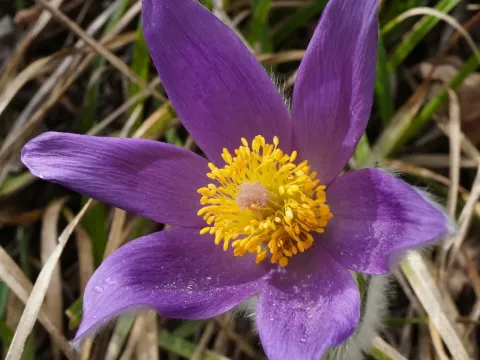
Hallers pasqueflower
Pulsatilla halleri
The seeds of Hallers pasqueflower have a long dormancy period, so sowing should ideally take place immediately after harvest in summer or outdoors in late autumn.
What the section contains
Hallers pasqueflower
When starting from seeds in controlled environments, it is crucial to perform cold stratification by storing seeds in a refrigerator for at least one month.
Sow seeds on the surface of a light, sandy substrate, covering them with only a very thin layer of sand or grit to allow sufficient light penetration.
Maintain a stable temperature between 18 and 22 degrees Celsius and ensure that the soil remains consistently moist but never waterlogged during germination.
Transplant the seedlings to their final location once they have developed a few true leaves, being extremely careful not to damage the fragile taproot.
As a member of the Ranunculaceae family, Hallers pasqueflower thrives in well-drained, lime-rich soils and prefers an open, sunny exposure to flourish.
The plant is native to high-altitude mountain environments and requires excellent drainage to prevent the root rot that frequently occurs in stagnant soil conditions.
In terms of maintenance, this perennial requires very little intervention, although regular weeding is essential to reduce competition for nutrients in early stages.
Watering should be managed carefully; provide hydration only during extended dry spells, as the plant is naturally adapted to survive with minimal rainfall.
While hardy, the plant benefits from a light mulch of gravel or grit, which helps to keep the crown dry and prevents soil splash during heavy rainfall.
The most common threat to Hallers pasqueflower is fungal infection caused by damp conditions, which can lead to rapid decay of the crown and root system.
High humidity and poor air circulation are major risk factors, so it is important to space plants adequately and keep the area around them clear of debris.
Slugs and snails can pose a significant danger during the wet spring months, often consuming the tender foliage and developing flower buds of the plant.
Integrated pest management, including physical barriers like crushed shells or eggshells, is recommended to discourage mollusks without the use of heavy chemicals.
Regular inspection for signs of decay or pest damage is necessary, and any infected plant material should be removed and destroyed immediately to prevent spread.