
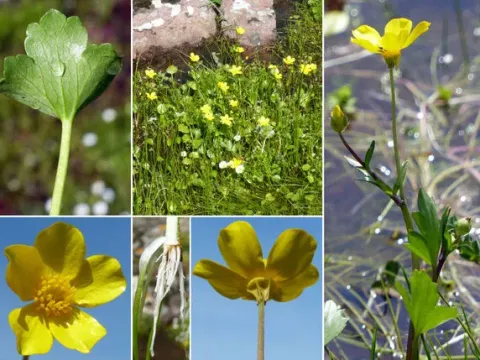
Heart-leaved buttercup
Ranunculus cordiger
The heart-leaved buttercup (Ranunculus cordiger) is a perennial herbaceous plant belonging to the Ranunculaceae family. It is primarily native to mountainous regions, where it has adapted to harsh environmental conditions and rocky substrates.
What the section contains
Heart-leaved buttercup
Botanically, this species is defined by its characteristic heart-shaped foliage arranged in a basal rosette and its solitary, delicate flowers. Its root system is moderately developed, allowing it to thrive in well-drained, nutrient-poor, or rocky soil environments common to alpine meadows.
For successful cultivation, Ranunculus cordiger requires a site with excellent drainage. Waterlogging must be strictly avoided, as it leads to root decay. The ideal growing medium is a light, well-aerated soil with neutral to slightly acidic pH levels, enriched with organic compost.
Climatically, this plant prefers moderate temperatures and bright, indirect light. While it is quite hardy, protecting it from the scorching heat of mid-summer is essential for maintaining leaf health and preventing the plant from entering premature dormancy.
In landscape design, this buttercup is used primarily for ornamental purposes. It is highly valued for rock gardens, alpine troughs, and border edges, providing a refined aesthetic during its flowering period through careful placement and maintenance.
The primary threats to Ranunculus cordiger include fungal diseases such as powdery mildew and root rot. These issues are most prevalent in damp, stagnant air or waterlogged conditions, which suppress the plant's natural resistance.
Pests such as aphids and spider mites frequently target the plant, especially during dry spells or high-temperature periods. These insects can quickly damage the foliage, reducing the plant's vigor and its decorative appeal during the blooming season.
Integrated pest management, including monitoring and the use of targeted biological controls, is highly recommended over broad-spectrum chemicals. Regular inspection of the undersides of the leaves helps in early detection of mite infestations.
Cultural practices, such as proper spacing between plants and avoiding overhead irrigation, are vital for disease prevention. Ensuring adequate airflow helps keep the foliage dry, which is the most effective way to discourage fungal spore development.
To ensure the plant thrives throughout the year, careful winter management is required. Providing light winter protection, such as a thin layer of organic mulch, helps regulate soil temperature and ensures the plant emerges strong and healthy in the following spring.