
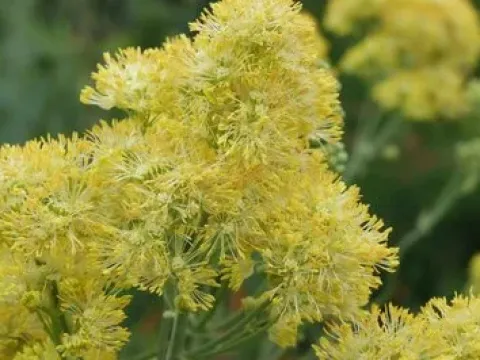
Thalictrum virgatum
Thalictrum virgatum
Thalictrum virgatum is a perennial herbaceous plant belonging to the Ranunculaceae family. It is recognized for its slender, wand-like stems and finely divided, feathery foliage that adds a graceful texture to any landscape.
What the section contains
Thalictrum virgatum
Originating from temperate regions, this species thrives in environments with moderate humidity and indirect sunlight. It is well-adapted to woodland edges and areas with rich, moist, but well-drained soil conditions.
Cultural requirements involve maintaining consistent soil moisture, especially during the active growth phase. The plant prefers deep, nutrient-rich soils with a near-neutral pH to support its elongated growth habit.
Agronomic management includes site selection in semi-shaded areas to prevent leaf scorch in warmer climates. Applying organic compost in early spring provides sufficient nutrients to sustain healthy vegetative development throughout the season.
The plant is highly valued for its ornamental appeal in perennial borders and naturalistic garden designs. Beyond aesthetics, it continues to be a subject of interest in botanical studies regarding the secondary metabolites produced by Ranunculaceae.
The most common disease affecting Thalictrum species is powdery mildew, which typically occurs during periods of high humidity and poor air circulation between the plants in a cluster.
Pests such as aphids and leaf miners are frequently observed on this crop. They target the tender young tissues and leaves, potentially causing aesthetic damage and reduced plant vigor if left untreated.
Integrated pest management strategies are recommended, including proper spacing to ensure adequate airflow, which is the most effective preventative measure against fungal outbreaks.
Regular monitoring of the foliage allows for the early detection of pests. Manual removal or the application of insecticidal soaps is often sufficient for small-scale infestations on garden plots.
Root rots can become a threat if the soil remains waterlogged for extended periods. Proper drainage installation is essential during the initial planting phase to ensure the long-term health of the root system.