
Clematis petriei
Clematis petriei
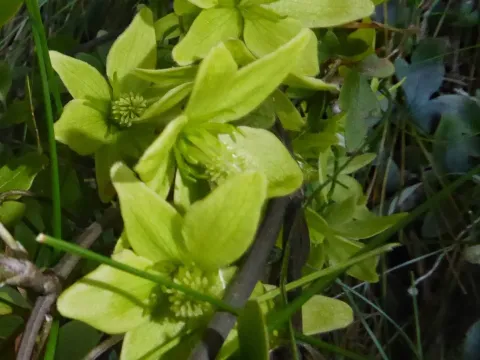
Clematis petriei is a distinctive woody evergreen vine belonging to the Ranunculaceae family. Native to New Zealand, this species is highly valued by gardeners for its unique growth habit and delicate, fragrant flowers that bloom in clusters during the spring season.
What the section contains
Clematis petriei
Botanically, it differs from many popular climbing clematis species due to its refined foliage and ability to thrive in cooler environments. It utilizes leaf stalks to grip supports, making it an excellent choice for vertical gardening on trellises, fences, or stone walls.
The plant thrives in well-draining, humus-rich soil that mimics its natural forest floor habitat. It prefers a neutral to slightly acidic soil environment and requires consistent moisture without allowing the root zone to become waterlogged, which is detrimental to its health.
Ideal conditions include a sheltered position in partial shade, particularly where the roots can remain cool and shaded while the foliage reaches for filtered sunlight. In regions with harsh winters, this plant is best suited for greenhouse cultivation or as a container plant.
Annual maintenance involves light pruning immediately after the flowering period to remove dead or straggly stems. Proper care ensures the plant remains vigorous and continues to produce its characteristic creamy-green flowers year after year.
Aphids are the most common insect pest, frequently attacking the tender new growth of the vine during the spring. Early detection is essential to prevent these insects from weakening the plant and encouraging the development of sooty mold.
Clematis wilt, caused by fungal pathogens, represents a significant threat to the health of the plant. If any sudden wilting occurs, it is critical to prune the affected stems back to healthy tissue and dispose of the material away from the garden.
Powdery mildew can become an issue during periods of high humidity and limited air circulation. Ensuring the plant is spaced correctly and placed in an area with good airflow significantly reduces the likelihood of this fungal infection appearing.
Root rot is a persistent risk in heavy or poorly drained soils, particularly during wet seasons. Adding organic amendments like compost or grit to the soil at the time of planting improves drainage and helps keep the roots healthy and active.
Slugs and snails may consume fresh foliage during the early stages of growth, which can cause cosmetic and structural damage. Using slug barriers or non-toxic baits is a common practice to protect young plants until they are established enough to resist grazing.