
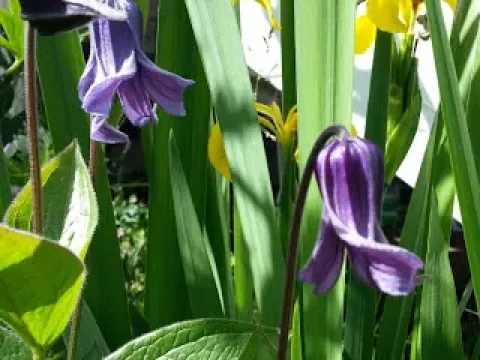
Clematis prattii
Clematis prattii
Clematis prattii belongs to the Ranunculaceae family. It is an evergreen or semi-evergreen woody vine that is native to the mountainous regions of Western China, where it thrives in high-altitude environments.
What the section contains
Clematis prattii
For optimal growth, this plant requires well-drained, fertile soil with a neutral to slightly alkaline pH. The culture prefers moderately moist substrates that are rich in organic matter and nutrients.
The species is highly valued for its decorative foliage and small, cream-colored flowers arranged in axillary clusters. Its leaves are leathery, often with prominent venation, giving the plant a refined look throughout the season.
Climate preferences include areas protected from strong winds with partial shade or filtered sunlight. The plant shows moderate frost resistance and often requires winter protection in colder regions.
The economic use of this species is strictly ornamental. It is frequently used for vertical landscaping, such as covering pergolas, fences, and walls in regions with mild climates where the foliage remains year-round.
The primary threats to the health of Clematis prattii include fungal diseases such as wilt and powdery mildew. It is essential to ensure good air circulation around the stems to prevent humidity build-up.
Pests that commonly affect this vine include spider mites and aphids. Regular inspection of the undersides of the leaves helps in the early detection of infestations, allowing for prompt intervention.
The root system of the plant is sensitive to waterlogging, which can lead to root rot. Providing a proper drainage layer at the time of planting is critical to minimize this risk.
To maintain plant health, sanitary pruning is recommended in early spring, removing any damaged or dead stems. This encourages new growth and improves the density of the foliage.
Preventive applications of fungicides and insecticides should be carried out during the active growing season, especially during periods of high humidity or unfavorable weather conditions.