
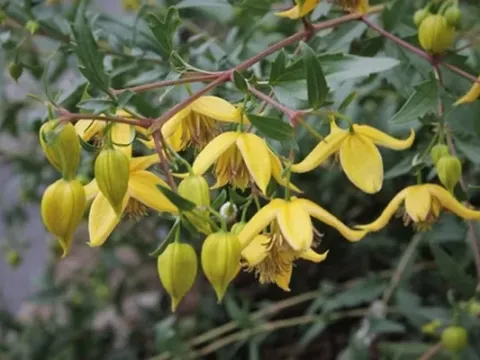
Shrubby Clematis
Clematis fruticosa
Seeds of Clematis fruticosa are best sown in autumn, allowing them to undergo natural winter chilling, which is essential for uniform and successful germination in spring.
What the section contains
Shrubby Clematis
If sowing in spring, artificial stratification is required: place seeds in a moist medium and store at temperatures between 0 and 5 degrees Celsius for about two months.
Sow seeds in a well-draining, lightweight potting mix and cover them lightly with a thin layer of fine soil, as they need a stable environment to sprout.
Maintain consistent moisture levels during the germination phase but ensure there is adequate airflow to prevent damping-off diseases that can affect young seedlings.
Once seedlings have developed at least two true leaves, they should be carefully transplanted into larger individual containers to allow root development before field planting.
Clematis fruticosa is a unique woody shrub belonging to the Ranunculaceae family, naturally occurring in the dry, steppe-like regions of Central Asia.
This species thrives in full sun exposure, which is necessary to promote healthy vegetative growth and ensure a prolific and vibrant flowering season.
The ideal soil for this plant is loose, fertile, and slightly alkaline, but it demonstrates remarkable adaptability to various soil structures provided they drain well.
The shrub is highly resistant to drought and can withstand significant temperature fluctuations, making it a reliable choice for landscaping in challenging climates.
Minimal pruning is needed, mostly focused on removing dead or damaged wood in early spring to encourage new growth and maintain a compact, tidy form.
Overwatering is the primary threat to Clematis fruticosa, as stagnant moisture in the root zone quickly leads to root rot and eventual decline of the plant.
Fungal issues like powdery mildew can arise during periods of high humidity and poor ventilation, often requiring systemic fungicide treatments for control.
Insects such as aphids and spider mites can infest tender shoot tips, sucking plant sap and potentially causing stunted growth if left unmanaged.
Maintaining proper spacing between plants is crucial to ensure good air circulation, which naturally reduces the risk of fungal outbreaks in dense shrub plantings.
- Monitor for early signs of leaf discoloration.
- Apply balanced organic fertilizer during the early growth stage.
- Implement preventative hygiene by removing garden debris near the base.