
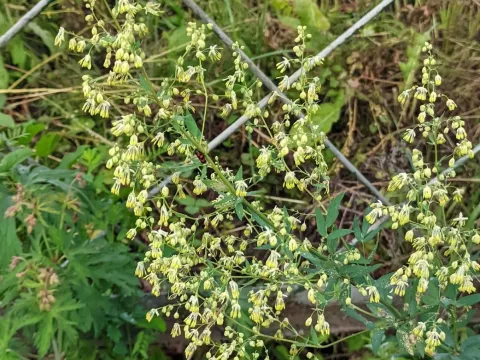
Simple meadow-rue
Thalictrum simplex
Simple meadow-rue, known scientifically as Thalictrum simplex, is a perennial herbaceous plant belonging to the Ranunculaceae family. Propagation is generally performed through seed sowing or rhizome division.
What the section contains
Simple meadow-rue
Seeds should be sown in the autumn or late winter to allow for natural cold stratification, which is necessary to break dormancy and ensure high germination rates in the spring.
When sowing, seeds are lightly covered with fine soil or sand. Maintaining a consistently moist substrate during the germination phase is critical for the survival of the young seedlings.
Rhizome division is the most efficient propagation method for maintaining the desired characteristics. Dividing the root system should be done early in the spring, just as the buds start to swell.
Spacing between plants should be approximately 40 to 50 centimeters to allow for optimal airflow and prevent competition for water and soil nutrients during the peak growing season.
Thalictrum simplex thrives in fertile, moist, and well-drained loamy soils. It displays excellent adaptability, growing well in full sun or partial shade depending on the regional climatic conditions.
The plant requires adequate moisture levels, particularly during the active growing phase. However, avoiding waterlogged soil is essential, as the roots are susceptible to decay under anaerobic conditions.
Organic soil amendments, such as well-rotted compost, are beneficial for promoting robust growth. Regular fertilization in the early spring provides the necessary nutrients for foliage development.
This species is well-adapted to temperate climates, exhibiting high frost tolerance. It does not require winter covering, as it has evolved to survive harsh winter temperatures in its natural habitat.
Maintaining a weed-free area around the plants is important to reduce competition and prevent the spread of diseases. Mulching the base of the plant helps retain soil moisture and discourages weed growth.
The primary threats to this culture are fungal diseases, especially powdery mildew, which often occurs during periods of high humidity and poor air circulation within the plant canopy.
Root rot is a significant risk in poorly drained soils. Preventing over-irrigation is the best management strategy to maintain healthy root systems and prevent the spread of soil-borne pathogens.
Insect pests, such as aphids and leaf-rolling caterpillars, may occasionally infest the foliage. These pests can be managed through manual removal or the application of appropriate biological insecticides.
Regular monitoring of the garden beds helps in early detection of potential outbreaks. Maintaining strong, healthy plants through proper nutrition usually makes them more resilient against pest attacks.
It is important to handle this plant with care, as it contains alkaloid compounds. While this toxicity discourages many common garden pests, it also requires precautions for human handling to avoid irritation.