
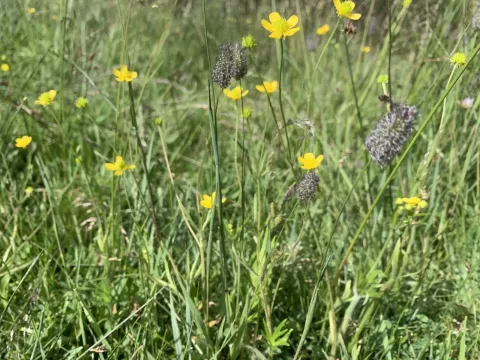
Sharp-leaved buttercup
Ranunculus acriformis
The Sharp-leaved buttercup is a member of the Ranunculaceae family. It is a perennial herbaceous plant native to North America, typically inhabiting moist meadows, floodplains, and areas adjacent to wetlands.
What the section contains
Sharp-leaved buttercup
Botanically, the plant is characterized by its erect stems that grow up to 50–80 cm tall and its deeply divided, palmate leaves. It features a robust root system, allowing it to compete effectively in diverse ecological niches.
The plant thrives in conditions with high soil moisture and prefers neutral to slightly acidic pH levels. It exhibits significant tolerance to waterlogged soils, which defines its natural distribution in temperate wetland ecosystems.
In agricultural practice, this plant is not considered a crop but rather a weed. Its presence in pastures and hay meadows is generally undesired due to the potential health risks it poses to livestock grazing in these areas.
Economic use of the plant is virtually non-existent. Because of its physiological characteristics, it is often viewed as a biological indicator of wet, poorly drained agricultural land that may require management intervention.
The primary threat posed by this plant is its toxicity to livestock. It contains protoanemonin, a volatile toxin that causes severe irritation to the digestive tract and can lead to inflammation if consumed in large quantities while fresh.
The plant is relatively resistant to insect pests due to its toxic chemical profile. However, it can occasionally host pathogens that affect other meadow species, although it is rarely the primary focus of disease control in agriculture.
Effective management strategies include routine mechanical mowing before the flowering stage. This prevents seed set and helps exhaust the nutrient reserves in the root system over several growing seasons.
Chemical control involving selective herbicides is used in cases of heavy infestation. These treatments are most effective when applied at the rosette stage to ensure complete eradication of the plant population within the field.
Soil improvement is an essential preventative measure. Improving drainage on waterlogged pastures significantly reduces the competitiveness of the sharp-leaved buttercup, favoring the growth of high-quality forage grasses instead.