
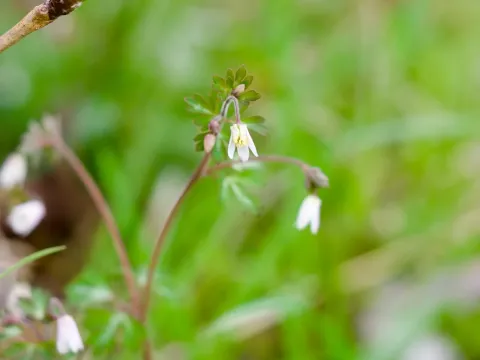
Semiaquilegia
Semiaquilegia
Semiaquilegia belongs to the Ranunculaceae family and is a genus of perennial herbs, valued in horticulture for their delicate foliage and early season blossoms.
What the section contains

Semiaquilegia
Seeds exhibit dormancy and require cold stratification to germinate efficiently, making autumn sowing in outdoor containers a highly recommended practice for home gardeners.
For indoor propagation, seeds should be sown in a sterile, well-draining medium and subjected to a 4-to-6 week cold period in a refrigerator or cold frame before moving to a warmer environment.
The seeds are relatively small and should be barely covered with a fine layer of substrate to ensure they have enough light to trigger the germination process.
Consistent moisture is critical during the initial growth phase, as drying out at this stage can result in the complete failure of the seedling population.
Originating from the woodlands and rocky slopes of East Asia, this plant thrives in environments that mimic its natural cool, moist, and partially shaded habitat.
The ideal soil for Semiaquilegia is rich in leaf mold or compost, possessing a slightly acidic to neutral pH and excellent drainage properties to avoid waterlogging.
Plants perform best when situated in locations with dappled shade or eastern exposure, as high temperatures and direct sunlight can rapidly dehydrate the plant.
Watering schedules must be carefully managed to maintain an evenly moist soil profile without creating anaerobic conditions that damage delicate root hairs.
Mulching the base of the plants with organic matter helps preserve soil moisture, suppress competitive weeds, and regulate temperature fluctuations during the peak summer heat.
The most common biological threats to Semiaquilegia include aphids and spider mites, which can be particularly devastating during the dry and warm periods of the spring season.
Fungal issues, such as powdery mildew, often arise if air circulation around the foliage is restricted, leading to significant cosmetic damage to the plants.
Root rot is the most prevalent pathological problem, occurring primarily due to stagnant water in the soil or poor drainage during the dormant winter period.
Integrated pest management strategies, such as introducing beneficial predatory insects or using horticultural soaps, are preferred over heavy chemical treatments.
To ensure long-term health, gardeners should remove infected or dead foliage promptly and ensure that the planting area is properly aerated to reduce humidity levels around the crown.