
Scott's clematis
Clematis scottii
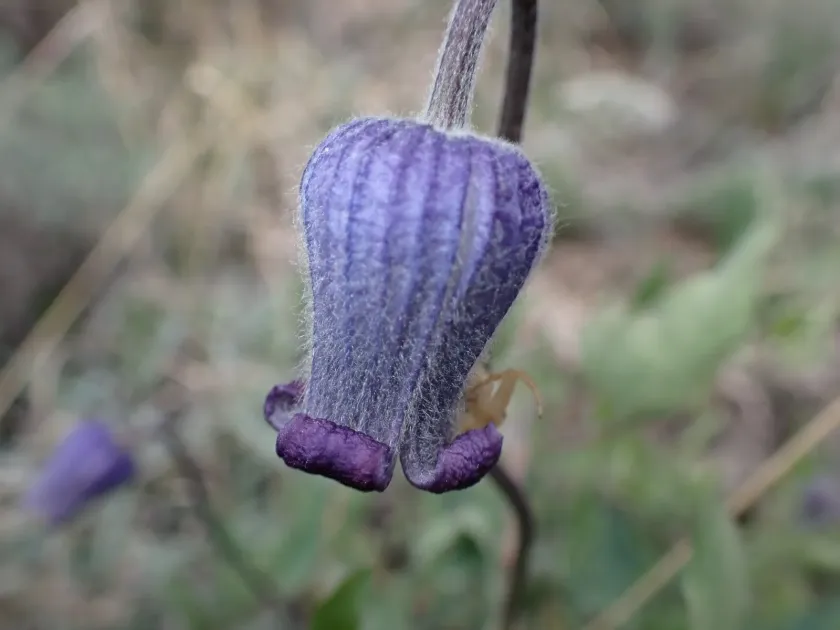
Description
Growing requirements
Scott's clematis (Clematis scottii) is a distinct herbaceous perennial species belonging to the Ranunculaceae family. Unlike the well-known climbing varieties, this plant is characterized by its upright stems, which provide a unique structural element in horticultural and landscape design projects.
The native habitat of this species is found in North American ecosystems, particularly in rocky areas and open prairies. This geographic origin has endowed the plant with significant cold hardiness and the ability to thrive in regions with distinct seasonal temperature fluctuations, making it a robust garden perennial.
For successful cultivation, the plant requires well-draining soil that is rich in organic matter. Sandy loam with a neutral pH level is ideal for its development. Gardeners should ensure that the planting site is elevated or adequately amended to prevent waterlogging, which the crown of the plant cannot tolerate.
Light exposure is a critical factor; Scott's clematis performs best when placed in full sun to partial shade. Exposure to direct morning sun promotes strong stem growth, while slight afternoon shade protects the delicate foliage from excessive heat stress in mid-summer conditions.
Agrotechnical maintenance focuses on providing balanced nutrition. Fertilization should be focused on phosphorus and potassium to support flower bud formation. Watering should be deep and infrequent, allowing the top layer of soil to dry out between sessions to maintain a healthy root environment.
Main diseases and pests
Common pathological threats include fungal infections such as powdery mildew and root rot. These issues often arise in poorly ventilated sites with high humidity, requiring careful plant spacing and the removal of infected debris during the autumn cleanup to reduce inoculum levels for the next season.
Insects like spider mites and aphids can periodically affect the plant's vitality. Early intervention using horticultural oils or systemic control agents is recommended to prevent infestation spread, especially during dry spells when plants are under water stress and more susceptible to attacks.