
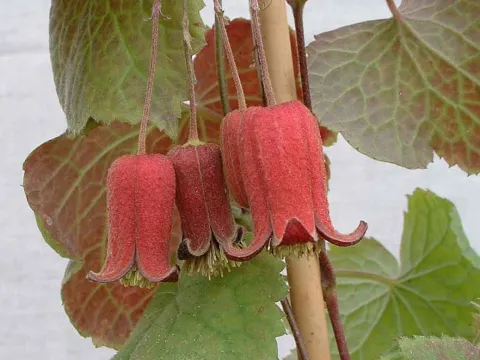
Clematis alternata
Clematis alternata
Clematis alternata is a rare woody species belonging to the Ranunculaceae family. It is botanically distinct due to its alternate leaf arrangement, which differentiates it from the vast majority of clematis species that exhibit opposite leaf patterns.
What the section contains
Clematis alternata
The plant originates from mountainous regions in Asia. In terms of cultivation, it requires nutrient-rich, well-draining soil with a neutral pH level. Proper drainage is critical to prevent root rot, which is a common problem for this species during wet seasons.
Regarding climatic requirements, the plant thrives in areas with mild winters and moderate summer temperatures. It needs a sheltered spot in the garden that provides sufficient light for the canopy, while keeping the base of the plant shaded and cool at all times.
Agrotechnical practices involve providing structural support, as the plant is a vigorous climber. Pruning should be performed carefully to maintain the desired shape and promote healthy growth, usually after the flowering period ends in late spring or summer.
The primary use for Clematis alternata is ornamental landscaping. It is highly valued in botanical collections and residential gardens for its unique foliage and elegant aesthetic, making it an excellent choice for climbing over trellises or garden walls.
The most devastating threat to this plant is wilt disease, caused by soil-borne fungi. This condition can lead to rapid wilting and death of entire stems, making sanitation and the use of fungicide treatments essential for plant protection.
Aphids are common pests that target new growth. They feed on plant sap, leading to distorted leaves and stunted stem development. Periodic inspection and the application of mild insecticidal soaps are usually sufficient to manage minor infestations.
Powdery mildew often affects the foliage, especially in environments with poor air circulation or fluctuating humidity levels. Ensuring adequate spacing between plants and keeping the foliage dry are key prevention strategies for this fungal infection.
Spider mites can become a problem during hot, dry weather. They feed on the underside of leaves, causing a fine webbing and yellowing. Regular irrigation and maintaining a balanced moisture level in the microclimate can help deter these pests.
Root-knot nematodes can also affect the vitality of the plant by damaging its root system. To prevent this, gardeners should source plants from reputable nurseries and avoid planting in soil that has a known history of infestation with parasitic nematodes.