
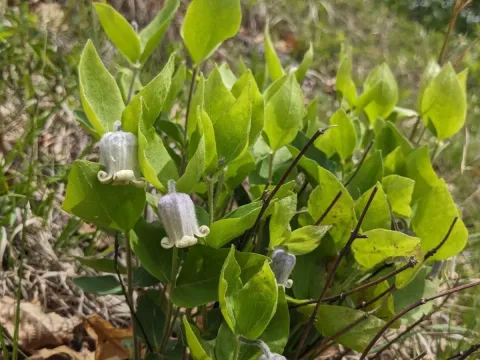
Clematis albicoma
Clematis albicoma
Clematis albicoma, commonly known as the white-haired clematis, is a distinct herbaceous perennial belonging to the Ranunculaceae family. It is native to specific limestone habitats in the Appalachian regions of the United States, where it thrives in rocky, well-drained soils.
What the section contains
Clematis albicoma
The plant requires an environment that mimics its natural habitat, emphasizing high drainage and a neutral to alkaline soil pH. Poor drainage is the primary cause of failure in cultivation, as the crown is susceptible to rot when subjected to saturated conditions.
Exposure to full sun is ideal for promoting healthy growth and abundant flowering, although the plant can tolerate partial shade in hotter climates. Ensuring adequate airflow around the foliage is essential to maintain plant vigor and reduce the incidence of pathogens.
Agronomic management involves careful monitoring of soil moisture levels during the active growth period. While the plant appreciates consistent moisture, it must never remain in standing water, making a site with significant slope or gravelly soil ideal.
Maintenance pruning is essential for this species to remove dead foliage and promote healthy regrowth. Fertilization should be handled with caution, utilizing slow-release balanced organic formulas rather than high-nitrogen synthetic fertilizers which can weaken stems.
The most severe threat to Clematis albicoma is fungal wilt, which can cause sudden collapse of the plant. Maintaining hygiene, such as cleaning tools and removing debris, is a vital component of the disease prevention strategy.
Powdery mildew may occur if the plant is grown in areas with poor ventilation or high humidity. Fungicidal treatments should be applied strictly according to label instructions to avoid damaging the plant's delicate tissues.
Aphids and spider mites are common pests that target new growth during the spring. Early detection is key, and insecticidal soaps often provide effective control without harming beneficial garden insects.
Root-knot nematodes can weaken the plant by attacking the root system, which may lead to stunted growth. Using sterile soil mixes or healthy nursery stock is the most effective way to prevent the introduction of these pests.
Slugs and snails can consume young foliage rapidly, especially in rainy seasons. Implementing barriers such as copper tape or crushed shells around the base of the plant provides a reliable physical defense against these garden pests.