
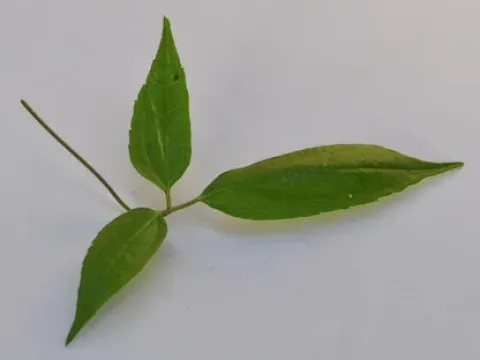
Clematis acuminata
Clematis acuminata
Clematis acuminata is a perennial woody climber belonging to the Ranunculaceae family. Its native habitat spans across the mountain forests of Southeast Asia, specifically flourishing in regions with high humidity and moderate temperatures.
What the section contains
Clematis acuminata
The cultivation of this plant requires well-drained, nutrient-rich soil with a neutral to slightly alkaline pH level. Ensuring proper drainage is critical, as root systems are susceptible to rot when subjected to prolonged waterlogging.
This species thrives in locations with dappled sunlight, though it is essential to keep the roots shaded and cool. Providing sturdy climbing structures is necessary to accommodate the vigorous growth habit of the vines as they seek vertical expansion.
Maintenance involves seasonal pruning to remove dead wood and encourage new growth. Regular fertilizing with balanced liquid fertilizers during the spring and early summer promotes better vegetative development and helps maintain overall plant vigor.
In ornamental landscaping, Clematis acuminata is valued for its elegant foliage and unique bloom shape. It is frequently utilized to cover fences, pergolas, and stone walls, providing significant aesthetic value to garden settings.
Common pathological threats include fungal wilt, often triggered by environmental stress and poor soil aeration. Preventing these conditions requires maintaining consistent soil moisture and ensuring proper air circulation around the foliage.
Pest pressures primarily stem from spider mites and aphids, which frequently infest tender new shoots during dry periods. Effective management includes early detection and the application of horticultural oils or specialized insecticides to control populations.