
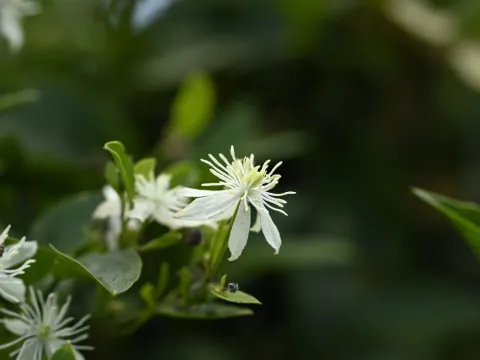
Chinese clematis
Clematis chinensis
Seeds of Chinese clematis are typically sown in the spring when soil temperatures reach 15–18 degrees Celsius. To obtain high-quality seedlings, a stratification method involving cold storage for 1–2 months is often employed.
What the section contains
Chinese clematis
In commercial operations, both direct field seeding and container-based seedling production are practiced. Seeds should be sown at a depth of 1–2 centimeters, ensuring substrate moisture levels remain consistent until germination occurs.
Success depends on using loose, well-draining soil rich in organic matter. A spacing of 60–80 centimeters between rows is considered optimal to facilitate adequate air circulation and plant development.
Vegetative propagation via cuttings is frequently used to preserve the genetic traits of parent plants. Cuttings are harvested during active growth periods, which significantly accelerates the production cycle for commercial harvests.
Transplanting to the permanent location should take place after the risk of late spring frosts has passed. The root system is delicate, so careful handling of the root ball is essential during the transplanting process to avoid plant stress.
Chinese clematis is a member of the Ranunculaceae family and manifests as a vigorous perennial vine in favorable climates. The plant thrives in sunny to partially shaded locations protected from high-velocity winds.
Soil requirements prioritize neutral to slightly alkaline pH levels. The crop is highly sensitive to waterlogged conditions, making a dedicated drainage layer mandatory when planting in heavy clay-based soils.
The optimal temperature range for active growth is 20–25 degrees Celsius. While the plant possesses moderate frost resistance, young specimens require protective winter coverings during their first year in the field.
Agronomic management includes regular applications of nitrogen-phosphorus fertilizers during the growing season. Systematic irrigation is vital during dry spells, as water stress negatively impacts flower production and herb quality.
The use of robust support structures is an essential management practice. As a climbing plant, Chinese clematis requires vertical training, which optimizes land usage and simplifies the harvesting process for the grower.
Major threats to the crop include fungal diseases such as powdery mildew and wilt. Prevention strategies focus on maintaining proper irrigation schedules and avoiding excessive planting density to improve air circulation.
Pests like spider mites and aphids can attack young shoots and foliage. Growers are advised to perform regular field inspections and apply biological insecticides immediately upon detecting initial signs of infestation.
Root rot often occurs due to overwatering or poor soil drainage. Mitigation involves improving soil aeration and using copper-based fungicides if infections are identified early in the vegetative cycle.
Nematodes may damage the root system, particularly in sandy soil types. Regular incorporation of organic amendments and strict adherence to crop rotation protocols help minimize the population of these harmful soil organisms.
Weeds pose a significant threat by competing for vital nutrients. Mechanical weeding and mulching around the root zone are recommended to suppress weed growth and foster a more stable microclimate for the vines.
Harvesting strategies for Chinese clematis primarily target the aerial parts of the vine. Stems and leaves should be collected during the peak flowering stage to ensure the highest concentration of bioactive compounds.
Harvested material must be dried promptly in well-ventilated sheds or professional industrial dryers at temperatures not exceeding 45 degrees Celsius. This prevents spoilage and preserves the therapeutic efficacy of the raw material.
In traditional practices, the roots are also utilized. These are harvested in the autumn after the growing season concludes, then thoroughly cleaned of soil and washed prior to the drying phase.
Yield capacity is highly dependent on plantation age and adherence to strict agronomic standards. Productive plantations usually remain viable for 5–7 years, after which field rejuvenation or replanting is necessary.
Final herbal products should be dry, free from mold, and stored in airtight containers within light-protected environments. Professional processing techniques are key to ensuring the long-term shelf life of plant-based extracts.