
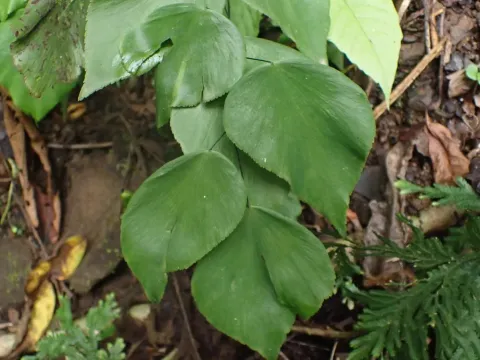
Adiantum seemannii
Adiantum seemannii
Adiantum seemannii is a striking fern belonging to the Pteridaceae family. Native to the tropical regions of Central and South America, it is highly valued in the horticultural industry for its large, elegant, and glossy fronds that create a distinct visual texture.
What the section contains
Adiantum seemannii
This species requires a stable environment with high atmospheric humidity, ideally above 60 percent. It thrives in ambient temperatures ranging from 20 to 25 degrees Celsius, making it an excellent candidate for conservatory cultivation or humid interior spaces.
Proper soil management is vital for the survival of the plant. A well-draining, loose, and slightly acidic substrate, typically composed of a peat-based mix with added horticultural charcoal and perlite, is essential to prevent root asphyxiation and support healthy growth.
The plant performs best in indirect light. Direct sunlight should be strictly avoided, as it causes severe scorching of the delicate leaf tissue, leading to loss of aesthetic quality and potential physiological stress for the specimen.
Adiantum seemannii serves significant utility as an ornamental plant in landscaping. Its pendulous growth habit makes it particularly suitable for hanging baskets, vertical wall displays, and as a focal point in shade-loving plant collections in botanical garden exhibits.
Spider mites and scale insects represent the most common biological threats to Adiantum seemannii. These pests thrive in low-humidity environments, which is why maintaining consistent moisture around the fronds serves as both a cultural requirement and a preventive measure.
Root rot caused by overwatering or compacted soil remains the leading cause of plant mortality. Practitioners should ensure that the container has adequate drainage holes and that the water used is free from high concentrations of salts or chlorine to avoid root system damage.