
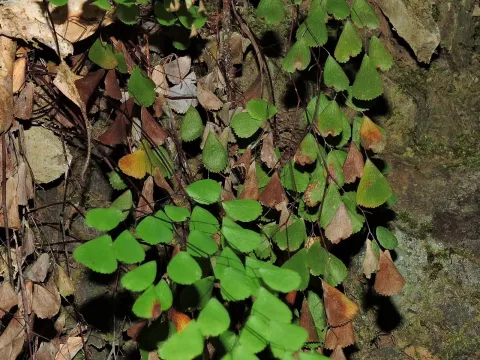
Adiantum monochlamys
Adiantum monochlamys
Adiantum monochlamys is an elegant, deciduous perennial fern belonging to the Pteridaceae family. It is highly valued in horticulture for its delicate, arching fronds and graceful structure, making it a popular choice for indoor ornamentation and specialized shaded garden designs.
What the section contains
Adiantum monochlamys
Originating from East Asia, this species naturally inhabits moist, shaded rocky crevices and forest slopes. Understanding its wild habitat is crucial for cultivation, as it reflects the plant's physiological reliance on high ambient humidity and consistently cool, damp root zones.
The cultural requirements for Adiantum monochlamys include a loose, well-draining, and slightly acidic substrate. A mixture rich in organic matter, such as leaf mold or peat-based compost, is ideal to ensure the delicate rhizomes receive enough aeration without becoming waterlogged.
Temperature management should be stable, preferably ranging between 15°C and 22°C. The fern is highly sensitive to direct sunlight and dry drafts, both of which can cause the delicate leaf tips to turn brown and necrotic within a very short period of time.
In terms of commercial usage, this fern is predominantly produced for the interior landscaping market. Its refined aesthetic makes it a staple for terrarium cultivation, office greening, and vertical planting systems where specific light and humidity conditions can be carefully monitored.
The primary threats to Adiantum monochlamys in a controlled environment are related to microclimatic imbalances and common fern pests. Spider mites are the most frequent nuisance, thriving in low-humidity conditions during the heating season and damaging the photosynthetic surface.
Fungal infections, such as root rot or Botrytis (gray mold), frequently occur when the soil remains too wet or when foliage is frequently misted without adequate ventilation. These conditions promote pathogen proliferation, leading to the rapid decay of the plant's crown.
Scale insects and mealybugs can also infest the plant, settling on the underside of the fronds. These pests require prompt identification and removal, often requiring a combination of mechanical cleaning and the application of mild horticultural oils or specialized insecticides.
To mitigate these risks, growers should prioritize consistent humidity levels and proper airflow rather than relying on chemical interventions. Pruning dead or diseased fronds is an essential sanitary practice that prevents the spread of spores and improves the overall vigor of the fern.
Integrated pest management strategies for this species focus on maintaining a clean environment and avoiding physiological stress. By ensuring the plant is not subjected to rapid temperature fluctuations, the risk of pest and disease outbreaks is significantly minimized.