
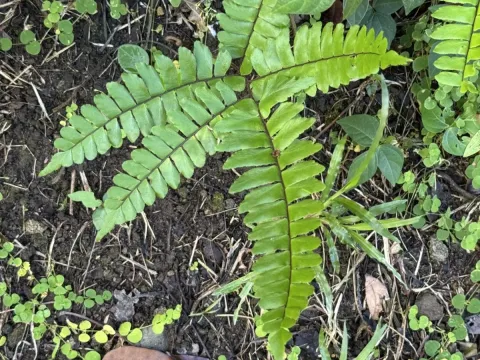
Adiantum latifolium
Adiantum latifolium
Adiantum latifolium is a perennial fern species belonging to the family Pteridaceae. It is native to the tropical regions of Central and South America, where it thrives in humid, shaded forest floor environments.
What the section contains
Adiantum latifolium
To cultivate this fern successfully, one must replicate its natural tropical habitat, prioritizing high atmospheric humidity. It performs best at temperatures ranging from 18°C to 24°C, avoiding any direct exposure to cold drafts or rapid thermal fluctuations.
The planting substrate should be light, well-draining, and slightly acidic. A mix consisting of peat moss, perlite, and organic leaf mold is ideal, ensuring that roots are never left in waterlogged conditions, which would lead to immediate stress.
Regarding light, this species requires dappled or indirect lighting. Direct sunlight is detrimental to its delicate fronds, often causing chlorosis or necrotic tissue damage, which severely diminishes its aesthetic value as a horticultural crop.
In terms of agricultural and commercial use, Adiantum latifolium is highly prized as an ornamental plant. It is widely employed in landscape design, interior plantscaping, and specialized nurseries focusing on foliage-rich indoor botanical installations.
Common pests affecting Adiantum latifolium include spider mites, which flourish in dry indoor environments. These pests penetrate the fronds' undersides, causing yellowing and webbing, which can quickly lead to the death of the foliage.
Mealybugs and scale insects represent significant risks, often appearing in the hidden junctions of the stems. If left untreated, they extract vital nutrients and attract sooty mold, compromising the plant's overall health and presentation.
Root rot is the most prevalent pathological threat, typically triggered by improper irrigation practices and compacted soil. It is characterized by the softening of the rhizomes and a distinct decline in the plant's vigor.
Fungal leaf spot diseases may develop if air circulation is poor, particularly when foliage remains wet for extended periods in enclosed growing spaces. Improving environmental ventilation is essential for preventing these outbreaks.
Integrated pest management protocols should be strictly followed, starting with the selection of certified disease-free stock. Regular maintenance, including the removal of dead or senescing fronds, helps maintain a healthy microclimate for the fern.