
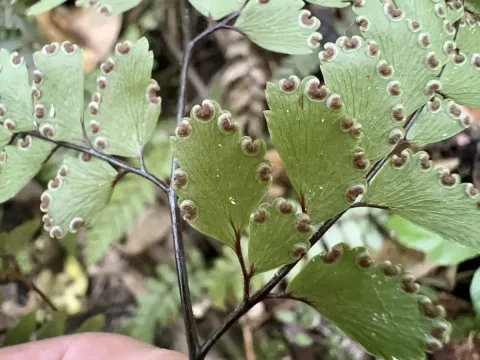
Adiantum fulvum
Adiantum fulvum
Adiantum fulvum is a unique fern species belonging to the Pteridaceae family. Native to the lush environments of Australia and New Zealand, this plant thrives in humid, shady habitats, often colonizing rocky outcrops and forest floors.
What the section contains
Adiantum fulvum
The primary environmental requirement for this species is a high level of ambient humidity, typically ranging between 60% and 80%. In artificial environments, this can be achieved through regular misting or the implementation of professional climate control systems.
Optimal temperature ranges for Adiantum fulvum are between 18°C and 24°C. The species is sensitive to extreme temperature fluctuations and cold drafts, which can cause significant stress and physical damage to its delicate fronds.
Soil composition must prioritize drainage and aeration. A substrate consisting of high-quality peat moss, perlite, and organic leaf compost is ideal for maintaining the necessary balance of moisture retention and root oxygenation.
Exposure to light should be filtered and indirect. Direct sun exposure must be strictly avoided, as the leaves are highly susceptible to leaf scorch, which irreversibly degrades the aesthetic value of the plant.
The most common pests affecting this fern include scale insects and mealybugs, which tend to congregate on the undersides of the fronds. Regular inspection of the plant is vital to detect infestations at an early stage.
Fungal pathogens such as root rot can occur if the substrate remains waterlogged for extended periods. This threat is usually mitigated by proper drainage and adjusting irrigation frequency according to seasonal demand.
Poor air circulation within the canopy of the plant can lead to the development of gray mold or mildew. Ensuring adequate spacing between plants and maintaining a clean environment helps to prevent these infections.
Aphids can occasionally pose a problem by sucking sap from tender new growth. Treatment should involve biological or mild chemical controls that are safe for fern species, avoiding harsh products that might burn the foliage.
Integrated pest management remains the most effective strategy for ensuring the long-term health of Adiantum fulvum, combining physical inspection, sanitation, and correct cultural practices.