
Adiantum capillus-junonis
Adiantum capillus-junonis
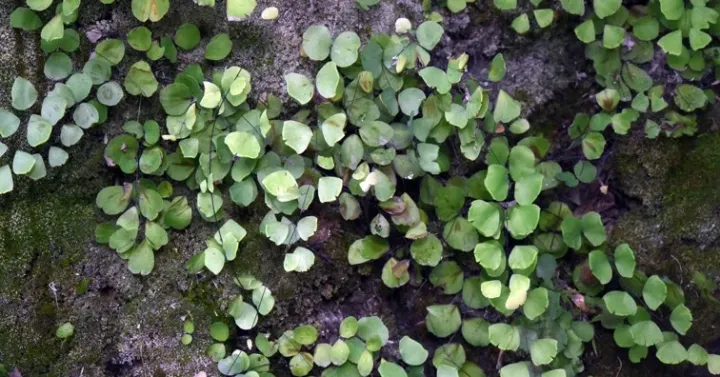
Description
Growing requirements
Adiantum capillus-junonis belongs to the Pteridaceae family. This delicate fern species is widely appreciated for its lacy, fine-textured foliage that creates a light, airy appearance in any collection.
The plant originates from humid, sheltered habitats. In cultivation, it requires a consistently moist environment, as the thin leaflets lose water quickly and can scorch if ambient humidity is too low.
The ideal soil mix is a well-draining, acidic, and organic-rich medium. Adding perlite or coarse sand is recommended to ensure that the delicate roots do not become waterlogged and suffocate.
Temperature management is crucial for the survival of this species. It performs best in moderate temperatures, strictly avoiding any exposure to cold drafts, which often lead to premature leaf drop.
Placement should be in a location with filtered, indirect light. Direct sunlight is highly detrimental to the plant, causing the thin, hair-like stems to dry out and the leaves to turn brown.
Main diseases and pests
Scale insects are a significant threat, often appearing as small, brown bumps on the undersides of the fronds. These pests feed on the sap and weaken the overall vitality of the fern.
Spider mites are common during dry winter months. They thrive in low humidity, spinning microscopic webs that can quickly overwhelm the fragile foliage of the plant.
Fungal leaf spots can develop if water remains on the fronds for too long without adequate airflow. It is essential to water the soil directly rather than wetting the foliage.
Root rot is the most common physiological issue caused by overwatering. Once the root system is compromised by anaerobic conditions, the plant's recovery becomes extremely difficult.
Aphids can occasionally infest the growing tips. While they are relatively easy to manage, they can transmit viral infections that distort the characteristic delicate growth of the fern.