
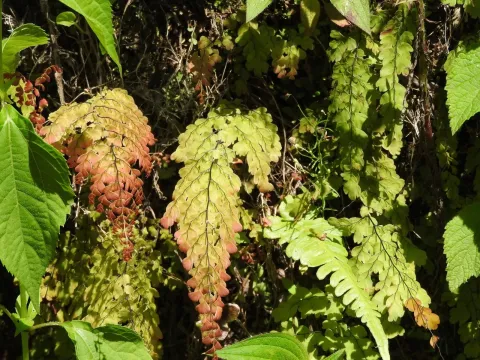
Adiantum concinnum
Adiantum concinnum
Adiantum concinnum, commonly known as the graceful maidenhair fern, is a perennial herbaceous plant belonging to the Pteridaceae family. It is highly prized in horticulture for its delicate, lacy fronds that provide an aesthetic, light texture to interior spaces and greenhouse collections.
What the section contains
Adiantum concinnum
The species is native to the tropical forests of Central and South America and the Caribbean. In its natural environment, it thrives in shaded, humid habitats, often growing on rocky substrates or damp soil near forest streams, which dictates its specific needs in an artificial environment.
Botanically, the plant is characterized by its slender, dark, wiry stipes that support finely divided, fan-shaped leaflets. The foliage is exceptionally fragile and requires careful handling to prevent mechanical damage. The rhizome is typically creeping, allowing the fern to spread effectively.
For successful cultivation, the environment must maintain a stable temperature range between 18°C and 24°C. The species is highly sensitive to cold air and drafts, which can cause rapid desiccation of the delicate pinnae. Consistent, high humidity is essential for the healthy development of new growth.
The soil substrate should be loose, well-draining, and rich in organic matter to mimic the forest floor. Providing a constant moisture level in the substrate is vital, as the plant does not possess significant storage organs to withstand prolonged drought, leading to rapid wilting.
Scale insects and mealybugs are the primary pests that affect Adiantum concinnum. These insects colonize the wiry stems and the undersides of the leaflets, draining plant nutrients and causing significant yellowing and overall decline in plant vigor.
Gray mold, caused by Botrytis, is a frequent threat when air circulation is poor and humidity remains static. This fungal condition thrives in stagnant conditions and can destroy entire fronds within a short period if not addressed through improved ventilation.
Spider mites are another common challenge, particularly during the winter months when heating systems decrease the ambient indoor humidity. A dry environment is a precursor to infestations, which can be mitigated by regular misting or using automated humidification systems.
Preventative measures include avoiding overhead watering, which can trap moisture in the crowns of the fern. Keeping the area around the plant clean of decaying debris is crucial to preventing the colonization of opportunistic fungi and pests.
Should an infestation occur, it is recommended to use gentle, systemic or contact-based biological controls. Avoid heavy horticultural oils or strong synthetic chemicals, as the thin, delicate foliage of the maidenhair fern is highly susceptible to chemical phytotoxicity.