
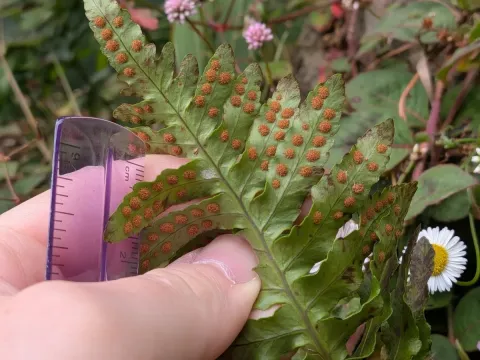
Azores polypody
Polypodium azoricum
The Azores polypody (Polypodium azoricum) is a distinct species of fern belonging to the Polypodiaceae family. It is an endemic plant native to the Azores, where it naturally thrives in rocky, moist environments with high atmospheric humidity.
What the section contains
Azores polypody
This fern requires specific cultivation conditions to remain healthy. It prefers bright, indirect light as direct sunlight can scorch its delicate fronds. A shaded or semi-shaded location is ideal for mimicking its natural woodland-like habitat.
The substrate for this fern should be airy and well-draining, rich in organic matter to support healthy root development. A mix consisting of peat, pine bark, and perlite provides the necessary structure and moisture retention for this species.
Climate control is crucial for the successful growth of this plant. It prefers consistent temperatures between 18°C and 22°C. Keeping the ambient humidity high through misting or using a humidifier is essential for preventing the fronds from browning.
Regular watering is required, but it is important to avoid waterlogged conditions. The plant should be watered thoroughly, letting the excess liquid drain away, to ensure the rhizomes do not rot in stagnant, anaerobic conditions.
Spider mites are common pests for this fern, especially in environments where air circulation is poor and humidity levels fluctuate significantly. Regular monitoring and maintaining high moisture levels can effectively prevent mite infestations.
Scale insects can also infest the fronds, causing yellowing and stunted growth. If identified, the infected areas should be treated with appropriate insecticidal sprays, ensuring the solution reaches all parts of the foliage.
Root rot is a major threat caused by overwatering or poor drainage. To prevent this, ensure that the pot has adequate drainage holes and use a coarse, porous growing medium that allows oxygen to reach the roots.
Fungal leaf spot diseases may develop if the foliage remains wet for extended periods in low light. Improving ventilation and avoiding wetting the leaves during late evening hours are standard prophylactic measures.
Nutrient deficiencies often manifest as chlorosis or brittle fronds. Providing a balanced, diluted liquid fertilizer during the growing season helps maintain the plant's structural integrity and vibrant green color.