
Arachniodes miqueliana
Arachniodes miqueliana
Description
Growing requirements
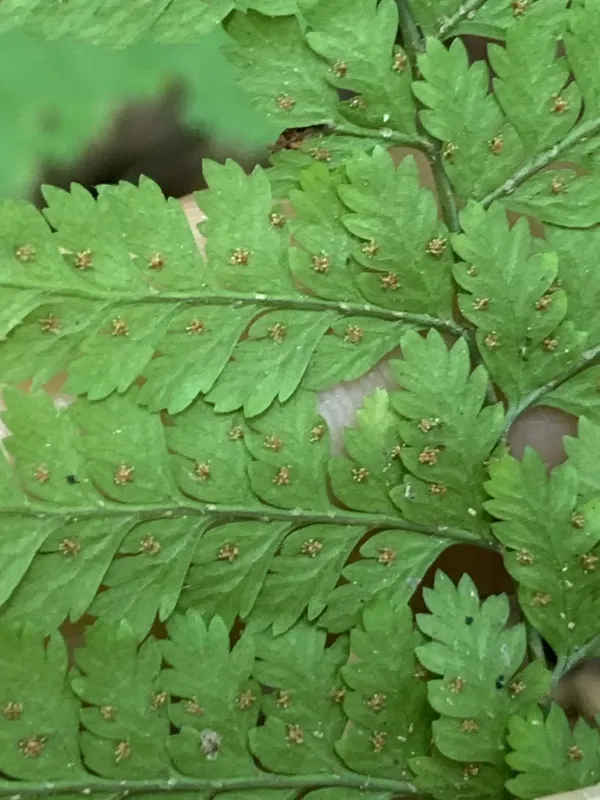
Arachniodes miqueliana is a perennial fern species belonging to the Dryopteridaceae family. This plant is highly regarded in horticulture for its sophisticated, leathery fronds and its ability to maintain a lush appearance throughout the growing season.
The native distribution of this species spans across East Asia, notably in Japan, China, and Korea. In its natural habitat, the fern occupies the lower canopy layers of temperate forests, thriving in nutrient-rich soils that remain consistently moist.
To cultivate this species successfully, gardeners must provide a shaded environment protected from harsh midday sun. While the plant is relatively hardy, it requires a stable microclimate with moderate temperatures between 18 and 24 degrees Celsius.
The ideal growing medium is a loose, well-draining, and slightly acidic soil mixture enriched with compost or leaf mold. Consistent moisture is vital; however, the soil must not become waterlogged, as this leads to the rapid decay of the rhizomatous root system.
In landscaping, Arachniodes miqueliana is frequently utilized as a ground cover in woodland gardens. It provides excellent textural contrast when planted alongside other shade-tolerant species like hostas or various forest perennials.
Main diseases and pests
Common health threats include fungal pathogens that manifest as leaf spots or crown rot, particularly when airflow is restricted in high-humidity environments. Proper spacing and sanitization of the planting site are essential preventative measures.
Pests that frequently infest this fern include slugs and snails, which can consume tender emerging fronds. Additionally, in confined indoor or greenhouse settings, spider mites may become problematic if the relative humidity levels are insufficient for the plant.