
Cyclopeltis
Cyclopeltis
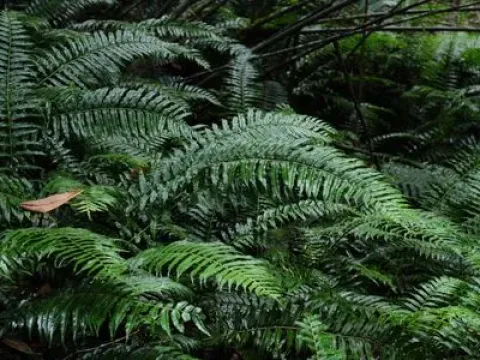
Cyclopeltis is a genus of ferns within the Dryopteridaceae family, native to tropical regions of Asia and the Americas. These plants thrive in the humid and shaded understory of tropical forests, which dictates their specific care needs in cultivation.
What the section contains

Cyclopeltis
The plant is characterized by its pinnate fronds, which possess a unique aesthetic appeal. These architectural leaves make it a popular choice for indoor collections that require lush, green, and vibrant foliage throughout the year.
Temperature requirements for this fern are quite specific, favoring a range between 18 and 25 degrees Celsius. It is crucial to maintain this range consistently, as extreme heat or cold can cause the fronds to wilt or develop discolored edges.
Humidity is a vital component of its environmental needs. Being a tropical plant, it requires humidity levels above 60 percent. Utilizing humidifiers or placing the plant on pebble trays can significantly enhance its overall growth and vitality.
Soil composition should prioritize drainage and organic matter. A mix consisting of peat, bark, and perlite ensures that the root system has access to oxygen while retaining the necessary moisture required for these moisture-loving plants.
The primary threats to Cyclopeltis involve improper watering practices, which often lead to root rot. If the roots remain constantly waterlogged without aeration, the plant will quickly decline, leading to yellowing of the foliage.
Pest infestations, particularly spider mites, are common in environments with low humidity. These pests feed on the undersides of leaves, resulting in stippling and eventual loss of the decorative fronds if left unchecked.
Scale insects can also be a challenge, appearing as small bumps on the stems or leaves. Manual removal combined with systemic horticultural oils is usually the most effective approach to managing these persistent pests.
Fungal leaf spots can occur when there is poor air circulation and excessive moisture on the surface of the leaves. Ensuring adequate spacing between plants and maintaining good ventilation is key to preventing these types of infections.
Monitoring the plant regularly is essential for early detection of any physiological or pathological stress. Consistent care, tailored to its tropical origin, ensures that the fern remains a healthy and striking feature of any plant collection.