
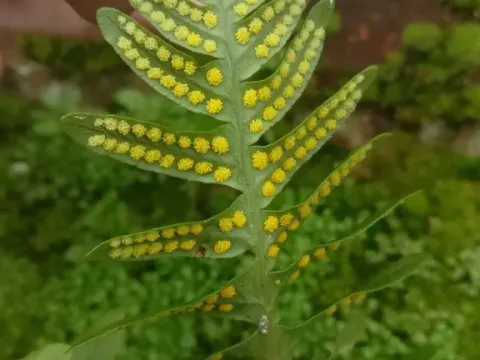
Common polypody
Polypodium L.
Common polypody (Polypodium vulgare) is a perennial evergreen fern belonging to the Polypodiaceae family. It is widely recognized for its creeping rhizomes and leathery fronds that grow in forest environments across the Northern Hemisphere, often found on rocks, tree trunks, and rich woodland soils.
What the section contains
Common polypody
The cultural success of this plant depends on mimicking its natural woodland habitat. It thrives in shaded or semi-shaded areas, avoiding direct scorching sunlight which can damage its delicate tissue. In an agricultural or garden setting, placing it under tree canopies provides the necessary filtered light.
Soil requirements are quite specific: it prefers light, well-draining, humus-rich substrates. It is essential to ensure that the soil is not overly compact. Incorporating organic matter such as leaf mold or pine bark helps maintain the correct moisture levels while ensuring adequate aeration for the rhizomes.
Regarding climate, common polypody is notably resilient to low temperatures. It prefers moderate moisture levels throughout the growing season. In indoor or container cultivation, regular misting is recommended to maintain the high humidity levels that this fern requires for optimal growth.
Beyond its aesthetic value in landscape design, the rhizome has historically been used in traditional herbal medicine. It is valued for its potential diuretic and expectorant properties, which stem from the presence of specific chemical compounds like ecdysteroids and tannins within the rhizome structure.
Slugs and snails are the most common pests for Polypodium vulgare. They are attracted to the moist environment surrounding the fern and can consume the fronds quite rapidly. Management often involves setting traps or using physical barriers like copper tape around the pots or garden beds.
Fungal diseases like leaf spot occur when the plant is kept in environments with poor air circulation or excessive moisture sitting on the leaves. To mitigate these risks, it is best to water the soil directly and ensure the planting density allows for sufficient airflow around each plant.
Rhizome rot is a primary concern, typically caused by waterlogged soil. This condition is often fatal if not caught early. To manage this, one must allow the top layer of the substrate to dry slightly between waterings and ensure that containers have excellent drainage holes.
Nematodes are potential subterranean threats that can weaken the root system. Using sterile soil mixes when planting and avoiding the introduction of contaminated plant material are the most effective ways to prevent such infestations in your ferns.
Regular maintenance, including the removal of dead or decaying fronds, helps reduce the habitat for pathogens and pests. Keeping the surrounding area clean is an essential component of the integrated pest management approach for this specific fern species.