
Bosmania
Bosmania
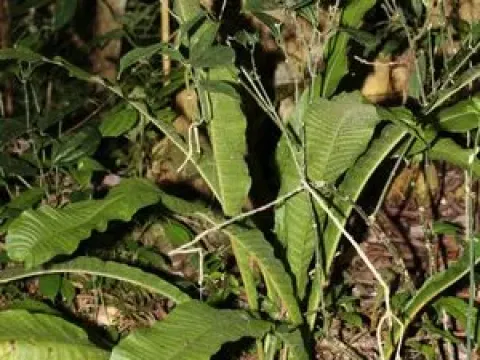
Bosmania (Bosmania) is an extremely rare genus that, in modern botanical nomenclature, is often associated with flora from tropical zones, belonging to the Melastomataceae family.
What the section contains
Bosmania
Sowing dates for this crop directly depend on the climatic zone where vegetation is planned. In closed-ground conditions or greenhouse farms, it is recommended to sow at the beginning of spring, as the daylight hours increase.
Seeds require preliminary stratification or soaking in growth stimulants to increase germination energy. The soil mixture must be light, aerated, and have a slightly acidic environment for optimal root system development.
Sowing depth usually does not exceed 0.5–1 cm, as seeds have high sensitivity to light levels. After sowing, the surface must be covered with film to maintain stable humidity until the first shoots appear.
Seedling picking is carried out when plants reach the phase of two or three true leaves. It is important to avoid drying out the soil clump, as the crop is extremely vulnerable to moisture deficiency during early development stages.
The crop places high demands on the temperature regime. The optimal range for active growth is 22–26 degrees Celsius during the daytime.
Soils must be rich in organic matter and possess excellent drainage properties. Stagnant water in the rhizosphere is strictly prohibited, as this provokes the development of root rot.
During the vegetation period, the plant must be provided with intense but diffused lighting. Direct sunlight can cause leaf plate burns, which reduces the overall productivity of the crop.
Air humidity levels should be maintained within the 70–80% range. In dry air conditions, the use of humidifiers or periodic fine-dispersed sprinkling of plants is recommended.
Fertilizers are applied fractionally throughout the entire growing season. Preference is given to complex mineral compositions with an increased content of microelements, such as magnesium and iron.
The main pests affecting the crops are spider mites and mealybugs. They multiply rapidly when humidity regimes are violated and ventilation in the greenhouse is insufficient.
Among fungal diseases, the most dangerous are late blight and various forms of powdery mildew. The first signs of the disease appear as chlorotic spots on the leaves or a whitish coating.
Prevention of infections includes crop rotation compliance and regular disinfection of tools. It is also critical to avoid excessive planting density to ensure proper air circulation.
Upon detection of infection outbreaks, the use of systemic fungicides and insecticides of biological or chemical origin is recommended in strict accordance with the instructions.
An important element of protection is phytosanitary control when importing planting material from other regions, as the crop can be a carrier of specific pathogens.