
Bolbitis
Bolbitis
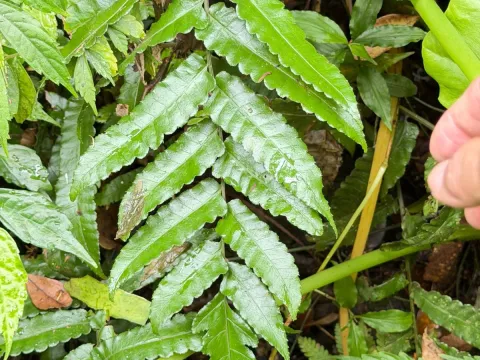
Bolbitis is a genus of ferns belonging to the Lomariopsidaceae family. This perennial plant is naturally distributed throughout the tropical and subtropical regions of Africa and Asia, thriving in damp, forested environments.
What the section contains


Bolbitis
The culture is characterized by a slow growth rate and a creeping rhizome from which complex pinnate fronds emerge. In professional plant care and aquascaping, Bolbitis is highly valued for its aesthetic appeal and its ability to adapt to specialized aquatic or terrarium conditions.
Climate requirements include stable temperatures ranging between 22–26 degrees Celsius. Bolbitis is extremely sensitive to sudden environmental fluctuations and requires consistent humidity, making outdoor cultivation in temperate regions impossible.
The growing substrate must be loose, rich in organic matter, and provide excellent aeration for the root system. When cultivated in artificial water bodies, it is essential to ensure constant water circulation and moderate lighting levels, as direct sunlight can damage the leaves.
The primary horticultural use of this plant is in the decoration of aquariums and paludariums. Bolbitis serves as an essential component of submerged landscapes, providing natural filtration and serving as a habitat for various aquatic organisms.
Major threats to the development of this crop include fungal infections caused by excessive organic pollution in the water or substrate. Under conditions of high humidity and poor air circulation, the rhizome is particularly susceptible to rot.
Pests such as scale insects or spider mites rarely affect submerged forms, but they represent a significant danger when grown in terrestrial or semi-terrestrial conditions, feeding on the cell sap of young fronds.
Micronutrient deficiencies are often manifested by chlorosis, which renders the plant vulnerable to secondary infections. Regular inspection of the leaf surface allows for timely adjustments in mineral supplementation.
Improper lighting regimes frequently lead to the overgrowth of algae on the leaf surface, which inhibits the plant's photosynthesis. Biological control methods and the adjustment of light intensity are standard procedures to mitigate this issue.
Chemical treatments for pest control should be used with extreme caution, as ferns are highly sensitive to copper-based compounds and certain harsh herbicides. Mechanical cleaning remains the preferred method for maintaining the health of the specimens.