
Arachniodes
Arachniodes
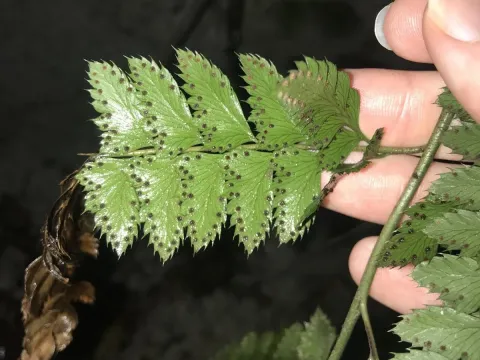
Arachniodes is a genus of perennial ferns belonging to the Dryopteridaceae family. Originating primarily from the tropical and subtropical regions of Asia, these plants are widely recognized for their delicate, lace-like fronds and adaptability to shade-intensive environments.
What the section contains
Arachniodes
Successful cultivation of Arachniodes requires a humid environment and moderate temperatures, ideally ranging between 18 and 24 degrees Celsius. The plants thrive in shaded spots, as direct sunlight can cause leaf scorching and irreversible damage to their fragile fronds.
The soil should be consistently moist, fertile, and well-draining, with a slightly acidic pH level. A mixture of peat-based potting soil, leaf mold, and perlite is recommended to maintain the right balance of structure and moisture retention for healthy root development.
Watering frequency should be carefully managed to ensure the soil remains damp but never waterlogged. Since these ferns are native to humid forests, regular misting of the foliage helps to maintain necessary humidity levels, especially during warmer months or in indoor settings.
In agricultural and commercial settings, Arachniodes is highly valued as a premium ornamental foliage plant. Its aesthetic appeal makes it a staple in the cut-flower industry and interior landscaping, where it is used to add texture and greenery to shaded decorative arrangements.
Common pests affecting Arachniodes include spider mites and scale insects, which typically infest the plants when air humidity drops. Maintaining consistent humidity and regular inspections of the underside of the fronds are essential strategies to control these infestations.
Root rot is the most frequent disease caused by improper watering practices and poor drainage. Ensuring that pots have adequate drainage holes and avoiding stagnant water is critical for preventing fungal pathogens from damaging the plant's root system.