
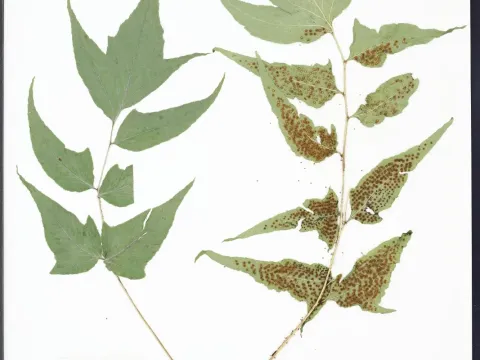
Cyrtomium caryotideum
Cyrtomium caryotideum
Cyrtomium caryotideum belongs to the Dryopteridaceae family and is commonly known as a hardy holly fern. It is native to the tropical and subtropical regions of Asia, where it thrives in moist, shaded environments.
What the section contains
Cyrtomium caryotideum
This fern is characterized by its glossy, dark green pinnate fronds that have a stiff, leathery texture. Its unique aesthetic appeal makes it a popular choice for indoor foliage arrangements and shade gardens in mild climates.
Optimal growth requires bright, indirect light. Direct sunlight is detrimental to the fronds, leading to scorched leaf margins. It performs best in conditions that mimic the dappled light of the forest floor.
The substrate must be well-draining yet moisture-retentive. A mix of peat moss, pine bark, and perlite provides the necessary structure and acidity for the fern to develop a robust root system.
Maintaining high humidity is essential for its health. If the ambient air is dry, especially during winter months, grouping plants or using a humidifier can significantly improve the plant's overall vitality.
The most significant threat to the health of this fern is poor soil drainage, which often results in root rot. The symptoms include yellowing fronds and a distinct lack of new growth during the active season.
Pests such as scale insects and spider mites are frequent invaders. Spider mites, in particular, thrive in dry, stagnant air conditions and can cause significant damage to the undersides of the leaves.
Fungal infections, including leaf spot diseases, can occur if water remains on the fronds for extended periods in low-temperature environments with poor air circulation.
Treatment involves physical removal of pests using soapy water or systemic insecticides if the infestation is severe. Improving ventilation is key to preventing re-infestation and further fungal issues.
Regular maintenance, including the removal of dead or decaying fronds, helps to eliminate potential pathogen breeding sites and keeps the plant in a clean, healthy state for continuous development.