
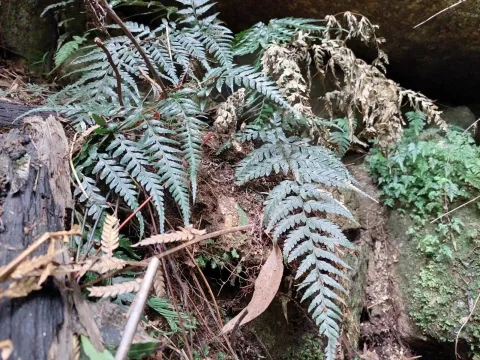
Parapolystichum acuminatum
Parapolystichum acuminatum
Parapolystichum acuminatum is a member of the Dennstaedtiaceae family. This perennial herbaceous plant is native to regions with tropical and subtropical climates, where it thrives in shaded and humid environments such as forest understories.
What the section contains
Parapolystichum acuminatum
Botanically, this species is defined by its complex, frond-like leaves that feature notably pointed tips. The rhizomes are creeping in nature, which allows the plant to form dense clusters when provided with optimal growing conditions.
Cultivation of this species demands a high level of air humidity, ideally staying above 70 percent. Maintaining a consistent moisture level is crucial for the development of healthy, vibrant fronds, especially in indoor environments.
The soil should be light, well-draining, and rich in organic matter. A substrate based on peat or leaf mold, combined with coarse aggregate for drainage, ensures the root system receives sufficient oxygen while retaining necessary moisture.
Temperature management is another critical factor. The plant performs best in a stable environment ranging between 18 and 24 degrees Celsius. It is essential to protect the foliage from direct solar radiation to prevent leaf scorch.
Root rot is the most significant threat to Parapolystichum acuminatum, typically caused by waterlogged soil conditions. Proper drainage systems are essential to prevent the accumulation of excess water around the rhizomes.
Spider mites are common pests that target this fern, particularly when ambient humidity levels drop too low. Infestations can spread quickly, leading to the rapid decline of foliage health if left untreated.
Mealybugs are also problematic, often hiding in the dense base of the fronds. Regular inspection of the plant's structure is recommended to detect these pests early before they establish significant colonies.
Effective preventive measures include maintaining good air circulation around the plants to reduce the risk of fungal outbreaks. Cleanliness in the growing area is vital to preventing the spread of spores and pests.
When chemical intervention is required, choose products labeled as safe for ferns. Always perform a patch test on a small section of the foliage to ensure the plant does not exhibit signs of stress or chemical burn.