
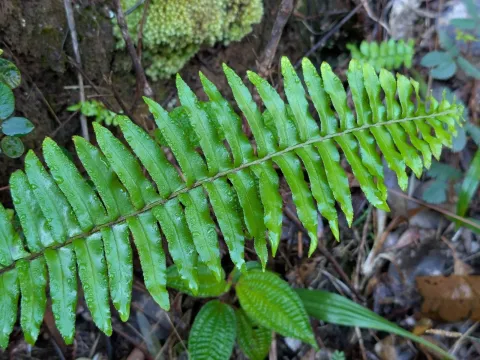
Nephrolepis
Nephrolepis Schott
Nephrolepis (Nephrolepis) is a perennial herbaceous plant belonging to the Lomariopsidaceae family. Originating from tropical and subtropical regions of America, Africa, and Asia, this genus has adapted to diverse environments ranging from forest floors to epiphytic positions on trees.
What the section contains


Nephrolepis
The crop requires a stable climate with temperatures between +18°C and +25°C. High air humidity, preferably between 60% and 80%, is essential for maintaining healthy foliage and preventing the browning of the frond tips which is common in low-humidity environments.
Soil requirements for Nephrolepis focus on high aeration and good drainage. A standard potting mix usually consists of peat, leaf mold, and sand in a 2:1:1 ratio to ensure a slightly acidic environment that supports robust root development.
Nephrolepis requires bright, indirect light to thrive. Direct sunlight is detrimental as it scorches the fronds, while extremely low light levels result in stunted growth and chlorosis. Professional growers use shade cloths to regulate light intensity throughout the seasons.
Agricultural management involves careful irrigation, ensuring the soil remains moist but never waterlogged. Regular fertilization with a balanced liquid fertilizer during the growing season is crucial, ensuring that nitrogen levels promote lush green growth.
Common pests include scale insects and spider mites. Scale insects attach themselves to the undersides of the fronds, extracting sap and creating honeydew, which can promote the growth of sooty mold, damaging the plant's aesthetic value.
Spider mites thrive in dry conditions and can cause significant damage by piercing leaf cells. Infestations are characterized by fine webbing and yellowing leaves, requiring immediate treatment with acaricides to prevent further spread within the crop.
Root rot is the most serious physiological threat, often caused by overwatering or poor drainage systems. It compromises the root system's ability to absorb water and nutrients, eventually leading to the rapid decline of the entire fern.
Leaf spot diseases, caused by various fungal pathogens, may occur if air circulation is insufficient. These pathogens thrive in stagnant, humid environments and can be managed through improved ventilation and the application of appropriate systemic fungicides.
Good agricultural practices, such as maintaining cleanliness in cultivation areas and inspecting new plant stock for pests, are vital for disease prevention and ensuring high-quality plant production.