
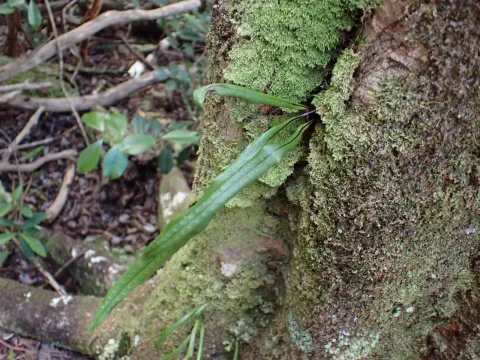
Neocheiropteris
Neocheiropteris
Neocheiropteris is an interesting genus within the Polypodiaceae family. These plants are native to the diverse landscapes of East Asia, where they thrive in humid, shaded forest environments.
What the section contains

Neocheiropteris
The culture requires a specific microclimate that mimics its natural habitat. It performs best in conditions of high atmospheric humidity, which is critical for the expansion of healthy, vibrant fronds.
Proper soil composition is essential for the longevity of Neocheiropteris. The medium should be rich in humus, well-draining, and slightly acidic to support the complex root system of this fern.
Temperature management plays a vital role in the cultivation process. The plant should be kept away from extreme heat and freezing temperatures, favoring a consistent environment throughout the growing season.
Economically, this plant serves as a high-value ornamental species. Its elegant structure and foliage texture make it a popular choice for botanical collections and sophisticated landscape architecture projects.
The most significant threats to Neocheiropteris involve soil-borne pathogens. Overwatering typically leads to root rot, which quickly compromises the structure and vitality of the entire plant.
Scale insects are common pests that feed on the sap of the fern. Their presence is often detected by a sticky residue on the leaves, which necessitates immediate treatment to prevent secondary infections.
Spider mites represent another challenge, particularly in indoor environments where air circulation is restricted and humidity levels drop below the required threshold for tropical ferns.
Effective management includes maintaining clean growing conditions and implementing integrated pest management practices that do not use overly harsh chemicals on delicate fronds.
Regular monitoring of the foliage and root zone is the best preventative strategy. Proactive care ensures that the plant remains healthy and resistant to environmental stressors and typical opportunistic diseases.