
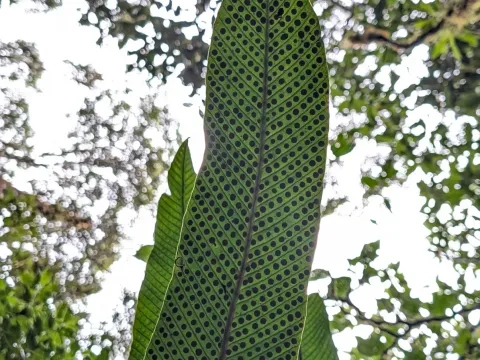
Niphidium
Niphidium
Niphidium is a genus of ferns belonging to the Polypodiaceae family, native primarily to the tropical regions of Central and South America. These plants are often found growing as epiphytes on trees or in rocky crevices, thriving in humid environments with dappled sunlight.
What the section contains

Niphidium
The cultural requirements for Niphidium focus on maintaining a high level of atmospheric humidity, often above 60%. Because they naturally inhabit dense forests, they are adapted to low-light conditions and require protection from intense, direct solar radiation to prevent leaf scorch.
When selecting a growing medium, it is crucial to prioritize drainage and aeration. A mixture composed of orchid bark, perlite, and sphagnum moss creates the ideal structure for the fern’s rhizomes to attach and breathe while retaining just enough moisture for healthy root function.
Temperature management is straightforward, as these plants prefer a consistent range between 18°C and 25°C. They are sensitive to cold drafts and sudden drops in temperature, which can stress the plant and cause the delicate fronds to brown at the edges or die back prematurely.
Watering should be done with care, ensuring the substrate remains evenly moist but never waterlogged. The use of rainwater or filtered water is highly recommended to avoid the accumulation of minerals that can damage the sensitive root system of the Niphidium.
Scale insects are among the primary pests that affect Niphidium, appearing as small, brown, bump-like structures on the underside of fronds. Regular inspection and the use of insecticidal soaps are usually sufficient to manage these infestations effectively.
Spider mites represent a significant threat in environments where the air is kept too dry. These microscopic pests extract sap from the foliage, leading to yellowing or stippling effects, and can be combated by increasing humidity levels or applying appropriate acaricides.
Root rot is the most common health issue caused by poor drainage or overwatering. If the rhizome remains in saturated soil for too long, it begins to soften and decay, often leading to the rapid decline of the entire plant, which necessitates immediate repotting into fresh media.
Fungal leaf spot diseases can emerge in damp conditions with poor airflow. These infections are characterized by irregular dark spots and are best prevented by providing adequate ventilation and avoiding overhead watering that leaves fronds wet for extended periods.
Nutrient imbalances or salt buildup from tap water can manifest as necrotic leaf tips. Flushing the soil occasionally with purified water and following a diluted, balanced feeding schedule helps ensure the plant remains vigorous and aesthetically appealing throughout the growing season.