
Phlebodium
Phlebodium
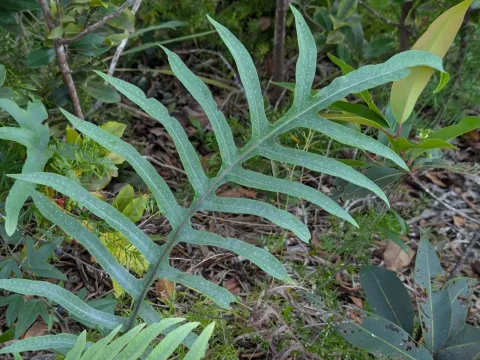
Phlebodium is a genus of perennial epiphytic ferns belonging to the Polypodiaceae family. In their natural habitat, these plants grow in the tropical and subtropical forests of South and North America, where they often settle on tree trunks, using them as structural support.
What the section contains

Phlebodium
Botanically, the plant is distinguished by a creeping rhizome covered with golden scales, from which feathery fronds of a blue-green hue emerge. These leaves possess a distinct texture and a unique ability to adapt to diffused lighting conditions.
Successful cultivation requires high air humidity levels and a stable temperature range of 20–25 degrees Celsius. It is crucial to avoid sudden temperature fluctuations and direct exposure to intense sunlight, which can cause burns on the delicate fronds.
Soil requirements involve the use of a loose, breathable substrate based on peat, coniferous bark, and charcoal. The acidity of the medium should be slightly acidic, imitating the natural living conditions of the plant on tree bark.
Agrotechnical practices include regular but moderate watering using the immersion method for the pot to avoid waterlogging the rhizome. Overwatering is a critical error, as it quickly triggers root system rot and the subsequent death of the entire specimen.
The main pests of the crop are spider mites and scale insects, which actively multiply in the dry air of indoor environments. Upon detecting the first signs of infestation, it is necessary to wash the fronds with a soap solution or apply specialized insecticides.
Phlebodium diseases are most often associated with improper watering, which leads to the development of fungal infections. Root rot is a direct consequence of excess moisture, while curling of leaf tips may signal a lack of nutrients or excessively low humidity.