
Phlebodium
Phlebodium (R. Br.) J. Sm.
Phlebodium is a genus of epiphytic ferns belonging to the Polypodiaceae family. Native to the tropical regions of the Americas, these plants typically grow in forest canopies, utilizing their rhizomes to anchor themselves to tree trunks and branches.
What the section contains

Phlebodium
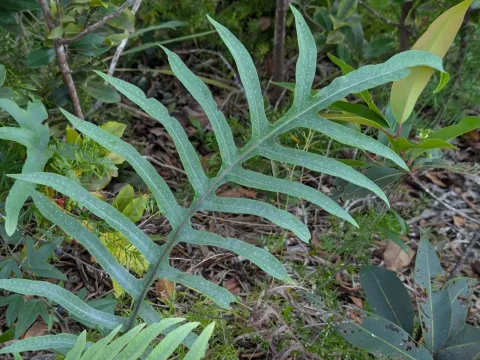
The plant is distinguished by its unique rhizomes, which are fleshy and covered in golden-brown scales. The fronds are typically deeply pinnatifid and often display a distinct blue-green or glaucous hue, making the plant highly sought after for horticultural use.
Cultural requirements include bright, indirect light and high levels of atmospheric humidity. They are sensitive to direct midday sun, which can dehydrate the foliage quickly and cause irreversible necrotic spots on the frond segments.
The growing medium must be highly porous and well-draining. A typical mix includes high-quality peat moss, perlite, and bark fragments, which mimics the natural epiphytic environment while retaining enough moisture to prevent the rhizome from shriveling.
Temperature management is crucial; Phlebodium prefers a stable environment between 18°C and 25°C. During the growing season, consistent moisture must be maintained, but the roots should never remain waterlogged to avoid hypoxic stress.
The most common pests affecting Phlebodium include scale insects and spider mites. These pests thrive in dry environments, necessitating frequent misting or the use of humidifiers to create an unfavorable microclimate for these arthropods.
Fungal pathogens such as Rhizoctonia or Pythium may develop if the potting medium lacks aeration. Sanitation of the growing area and proper spacing between plants are critical measures to prevent the spread of fungal spores and ensure long-term plant health.