
Oleandra
Oleandra
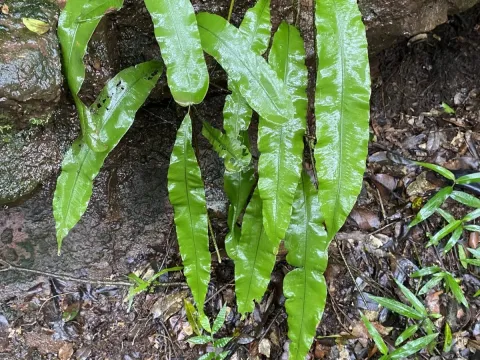
Oleandra is a genus of ferns belonging to the Oleandraceae family. These plants are distinguished by their creeping rhizomes, which are typically covered with distinct scales, supporting elongated lanceolate leaves that grow from individual petioles.
What the section contains

Oleandra
Native to tropical regions across Asia, Africa, and the Americas, Oleandra species primarily thrive in humid rainforest environments. In their natural habitat, they function as epiphytes or lithophytes, adapting to shaded and moist niches.
Successful cultivation requires specific environmental conditions, including a stable temperature range of 18°C to 25°C. Protecting the plant from direct sunlight is essential to prevent leaf scorch and maintain leaf color intensity.
The substrate must be light, airy, and acidic. A well-draining potting mix incorporating peat, pine bark, and sphagnum moss provides the necessary aeration and moisture retention that the root system requires to flourish.
Agricultural practices center on consistent irrigation using soft, dechlorinated water. It is vital to maintain high relative humidity levels, ideally above 70%, to prevent foliage dehydration and encourage new growth.
Root rot is the most common disease encountered when growing Oleandra. It is usually caused by waterlogged soil, which creates an anaerobic environment unfavorable for the plant's delicate root system.
Spider mites represent a major pest threat in domestic settings, especially during winter months when indoor heating lowers ambient humidity. Frequent misting is a primary preventative measure against these arachnids.
Scale insects and mealybugs can infest the petioles and leaf undersides, extracting sap and weakening the plant. Mechanical removal combined with specialized systemic insecticides is the standard treatment protocol.
Fungal leaf spot diseases may appear if there is poor air circulation around the canopy. Ensuring adequate space between plants and maintaining a clean growing area significantly reduces the risk of infections.
Nutrient imbalances, particularly mineral toxicity, can manifest as leaf tip necrosis. Regular flushing of the substrate with clean water helps to manage salt accumulation and preserve the health of the fern.