
Phanerophlebia
Phanerophlebia
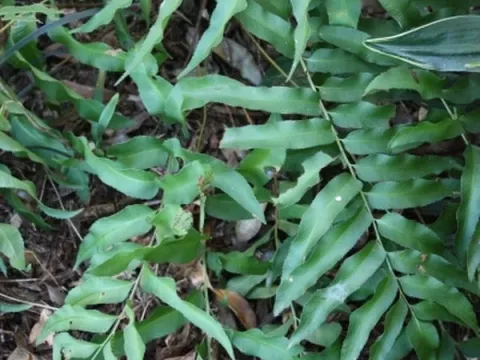
Phanerophlebia is a genus of ferns belonging to the Dryopteridaceae family. These plants are native to diverse habitats in Asia and the Americas, often found in humid, temperate, or subtropical mountain forests.
What the section contains
Phanerophlebia
The cultivation of this fern requires a shaded environment with indirect light. High light intensity leads to leaf chlorosis and necrosis, making a position away from direct sun exposure essential for plant health.
The plant thrives in soil mixtures rich in organic matter. A well-draining substrate composed of peat moss, bark chips, and perlite helps maintain the necessary structural integrity and moisture levels.
Temperature management is crucial, with an ideal range between 15°C and 22°C. Excessive heat stress can cause the fronds to dry out and lose their vibrant green pigmentation.
Humidity is the most important factor in the success of Phanerophlebia. Regular misting or the use of pebble trays with water significantly improves the aesthetics and vigor of the foliage.
Scale insects are a common pest for Phanerophlebia. These small, sap-sucking insects often attach themselves to the underside of the fronds, weakening the plant over time.
Spider mites are another major concern, especially in dry, indoor environments. They cause stippling and webbing on the leaves, leading to premature leaf drop.
Root rot caused by Phytophthora or Pythium species is frequently observed when soil drainage is poor or irrigation frequency is too high.
Foliar blight can occur in environments with poor air circulation. Removing affected fronds is a primary cultural control method to prevent further spread.
Integrated pest management, including botanical oils and soaps, is recommended to manage infestations while maintaining the safety of the plant's sensitive foliage.