
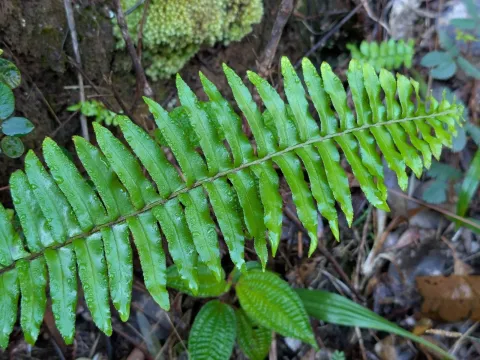
Nephrolepis
Nephrolepis
Nephrolepis is a genus of ferns belonging to the Lomariopsidaceae family, widely recognized for its ornamental value and commercial production. These plants originate from tropical regions across the globe, typically inhabiting humid forests where they grow as epiphytes or terrestrial plants.
What the section contains
 Giant sword fern
Nephrolepis biserrata
Giant sword fern
Nephrolepis biserrata
 Nephrolepis hirsutula
Nephrolepis hirsutula
Nephrolepis hirsutula
 Nephrolepis hybrids
Nephrolepis hybrids
Nephrolepis hybrids
 Nephrolepis multiflora
Nephrolepis multiflora
Nephrolepis multiflora
 Nephrolepis obliterata
Nephrolepis obliterata
Nephrolepis obliterata
 Nephrolepis pendula
Nephrolepis pendula
Nephrolepis pendula
 Nephrolepis radicans
Nephrolepis radicans
Nephrolepis radicans
 Nephrolepis rivularis
Nephrolepis rivularis
Nephrolepis rivularis
 Nephrolepis undulata
Nephrolepis undulata
Nephrolepis undulata
 Sickle-leaf sword fern
Nephrolepis falcata
Sickle-leaf sword fern
Nephrolepis falcata
Nephrolepis
Optimal growth for this culture requires a stable environment with temperatures between 18 and 25 degrees Celsius. High atmospheric humidity is the most critical environmental factor, as Nephrolepis species naturally thrive in environments with moisture levels exceeding 60 percent.
The substrate for Nephrolepis should be highly porous, well-draining, and rich in organic matter to mimic the natural forest floor conditions. A standard commercial mixture usually consists of peat moss, pine bark, and perlite to ensure proper root aeration and moisture retention.
Light requirements for the genus include filtered or indirect sunlight, as direct UV radiation can rapidly scorch the delicate fronds. In controlled cultivation environments, providing adequate light intensity is crucial to maintain a dense and vibrant green canopy.
Irrigation practices must be precise; the growing medium should be kept consistently moist but never waterlogged. Using tepid, soft water is recommended, as the plant is sensitive to high mineral content and chlorine levels often found in tap water supplies.
Scale insects are among the most persistent pests for Nephrolepis, often found attached to the midribs of the fronds where they feed on sap. Early detection and the application of horticultural oils or systemic insecticides are necessary to manage heavy infestations effectively.
Spider mites often invade the crop when humidity levels drop below the threshold, leading to stippling and browning of the fronds. Regular misting and maintaining optimal environmental conditions serve as primary preventative measures against these arachnid pests.
Mealybugs can cluster in the crown or axils of the fern, causing stunted growth and foliage distortion. Controlling these pests involves manual removal followed by the strategic use of biological control agents or targeted chemical applications during the active growth phase.
Fungal pathogens such as Rhizoctonia can cause crown and root rot when soil drainage is poor and temperatures are fluctuating. Ensuring good air circulation and using sterile, high-quality soil components significantly reduces the incidence of soil-borne diseases.
Leaf spots, often caused by improper sanitation or high nitrogen levels combined with moisture, require prompt removal of affected fronds. Maintaining rigorous hygiene in the nursery or greenhouse is essential to prevent the spread of fungal spores among healthy plants.