
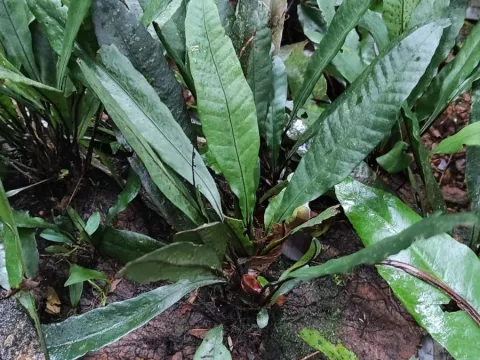
Ophioglossum (Dracoglossum)
Dracoglossum
Sowing Dracoglossum requires well-prepared seedbeds with optimal soil temperature ranging between 14 and 16 degrees Celsius for successful germination.
What the section contains

Ophioglossum (Dracoglossum)
Early spring planting is recommended to allow the plant to establish its root system before the onset of the peak summer heat and dry spells.
Seeds should be placed at a depth of 2-3 centimeters to ensure proper contact with the soil while maintaining access to necessary moisture levels.
Spacing the rows at 50-60 centimeters allows for efficient mechanical weeding and ensures that each plant receives adequate nutrients and light.
Consistency in moisture during the first two weeks post-sowing is critical to prevent the drying out of the sensitive emerging radicles.
Dracoglossum, a unique member of the Ophioglossaceae family, thrives in environments that mimic its native, moisture-rich woodland habitats.
The soil should be rich in organic matter, well-draining, and slightly acidic to support the healthy physiological development of the plant.
Partial shade is often preferred, as direct, intense sunlight can stress the foliage and negatively impact the plant's overall vitality and growth.
Regular irrigation is essential, especially during the peak growing season, to maintain the required soil moisture without causing waterlogging.
Fertilization should be balanced, focusing on providing essential macronutrients to support both vegetative growth and general plant resilience.
Root rot, driven by stagnant water and poor soil aeration, represents the most common pathological threat to Dracoglossum plantations.
Fungal infections can spread rapidly in humid conditions, making proper air circulation between rows a fundamental part of the farm management strategy.
Pests such as slugs and snails are particularly problematic for young shoots and can cause significant damage if left unmanaged during the early stages.
Implementing a rigorous crop rotation plan helps to reduce the build-up of soil-borne pathogens and minimizes the need for heavy chemical treatments.
Regular scouting and integrated pest management techniques are recommended to maintain plant health and ensure sustainable production cycles.