
Nephrolepis rivularis
Nephrolepis rivularis
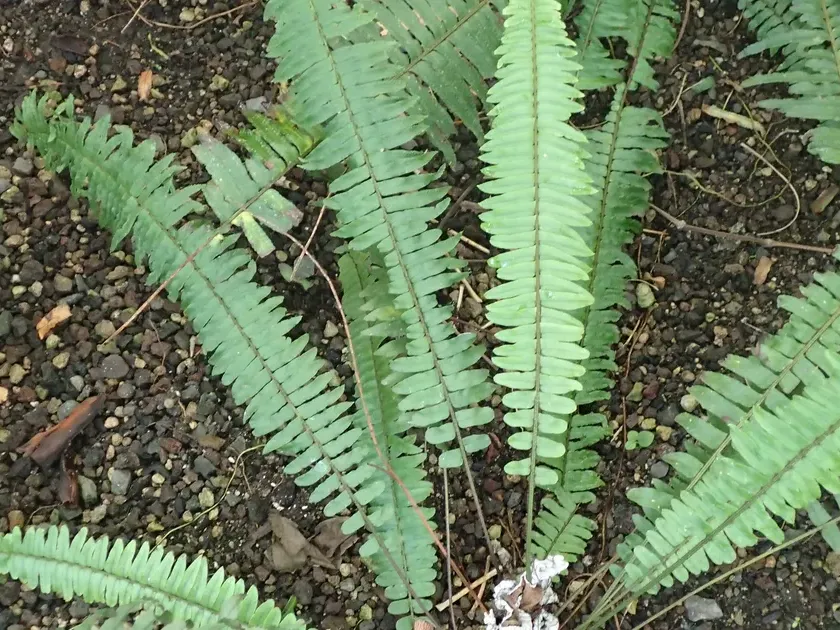
Description
Growing requirements
Nephrolepis rivularis, a member of the Lomariopsidaceae family, is a distinct fern species widely valued in tropical horticulture. Native to regions with high precipitation, it thrives in environments that mimic its natural forest-floor habitat.
The plant requires high levels of relative humidity to maintain its health and foliage vibrancy. In controlled environments, misting or automated irrigation systems are essential to prevent the fronds from turning brown or brittle.
Soil requirements focus on high organic content and excellent drainage capacity. A professional potting mix usually consists of peat moss, pine bark, and perlite, ensuring the roots have access to oxygen while retaining consistent moisture.
Light exposure should be carefully managed; Nephrolepis rivularis prefers bright, filtered light. Exposure to intense or direct sunlight can cause rapid leaf chlorosis and irreversible damage to the delicate cellular structure of the fronds.
Thermal stability is crucial, with ideal temperatures ranging between 18°C and 24°C. The species is highly susceptible to cold shocks, which may induce dormancy or significant tissue necrosis if temperatures drop below 15°C.
Main diseases and pests
Common agricultural threats include spider mites and aphids, which frequently infest plants kept in low-humidity environments. These pests feed on sap, causing visible stippling on the leaves and overall plant weakness.
Scale insects present a significant challenge, often hiding in hard-to-reach areas of the frond stems. Mechanical removal combined with targeted horticultural oils is often the preferred method of control in professional settings.
Root pathogens, particularly Pythium and Phytophthora, are the primary risks associated with overwatering. These fungi rapidly compromise the root system, preventing nutrient uptake and causing sudden wilting.
Foliar diseases, such as bacterial leaf spot, thrive in stagnant air conditions with high humidity. Proper sanitation and spacing between plants are vital to allow sufficient airflow and reduce the humidity around the foliage.
Regular monitoring for early signs of disease is a standard agricultural practice for this species. Proactive management of the substrate moisture level and ambient temperature serves as the best defense against major outbreaks.