
Nephrolepis radicans
Nephrolepis radicans
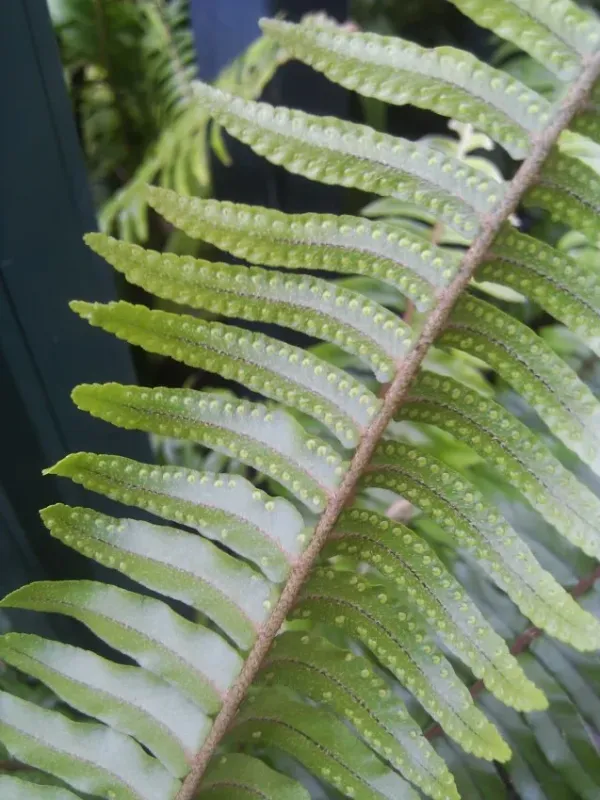
Description
Growing requirements
Nephrolepis radicans belongs to the Lomariopsidaceae family. This species is a classic tropical fern native to Southeast Asia, where it thrives in high-humidity habitats under the dense canopy of forests.
This fern requires high ambient humidity to remain healthy. When grown indoors, it is essential to keep humidity levels consistent, ideally above 60%, to prevent the foliage from browning at the edges.
The optimal temperature range for this species is between 20°C and 25°C. It is sensitive to extreme cold and should be kept away from drafts, which can cause significant stress to the plant structure.
The soil substrate must be lightweight and well-draining. A mix of peat moss, pine bark, and perlite is recommended to provide both moisture retention and the aeration necessary for the roots to breathe.
Light requirements are focused on bright, indirect sun. Exposure to direct sunlight is harmful and will scorch the fronds, so placing the plants in filtered light settings is vital for successful development.
Main diseases and pests
Spider mites are the most common pest for Nephrolepis radicans, especially in indoor environments with limited airflow. These microscopic pests feed on the leaves, causing a loss of color and eventual leaf drop.
Scale insects can also infest the stems, creating hardened brown spots. If left untreated, scale insects can spread rapidly across the entire plant, weakening it significantly by stealing vital sap.
Root rot is the primary physiological threat caused by overwatering or poorly draining soil. When roots sit in stagnant water, they suffocate and succumb to anaerobic bacteria and fungi that lead to rapid decay.
Foliar fungi may develop if the plant is kept in an environment with high humidity but poor air circulation. Regular pruning of old, dying fronds ensures better ventilation and reduces the likelihood of these pathogens spreading.
Integrated pest management, including regular washing of the foliage and monitoring for early signs of infestation, is the most effective approach to keeping the fern healthy and thriving throughout the year.